Hades II: The Challenge of Living Up to a Masterpiece
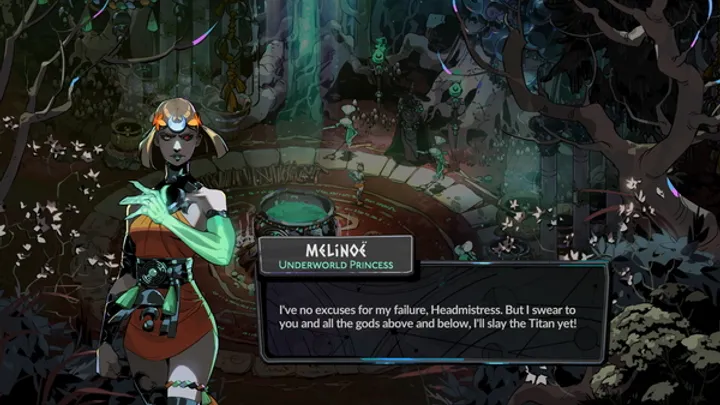
When Hades II was first announced, the gaming world collectively held its breath. Its predecessor, Hades, wasn’t just a critical darling—it was a cultural milestone. The first indie game ever nominated for a Game of the Year award at The Game Awards 2020, Hades redefined roguelike storytelling, weaving character depth and gameplay together with mythic precision.
So how does one follow perfection? Hades II, developed once again by Supergiant Games, faces a monumental task: to evolve its predecessor’s formula while preserving the heart that made Hades legendary. Beneath its divine combat and mythic style lies a far deeper issue—the tension between expectation and evolution.
This article delves into the central struggle of Hades II: how to innovate within the shadows of success, how to honor a masterpiece without being trapped by it.
1. The Legacy of the First Hades
Before Hades II could even take its first step into the Underworld, it had a mountain to climb. The first Hades wasn’t merely a great roguelike—it was revolutionary. It married storytelling and repetition in a way few games dared to attempt.
Each death brought new dialogue, new relationships, and new meaning. The game transformed the roguelike loop—once known for punishment—into a narrative tool of growth. Zagreus’s struggle to escape his father’s realm became a metaphor for persistence, identity, and acceptance.
For Hades II, this legacy is both a blessing and a curse. Every swing of Melinoë’s weapon, every conversation with a god, will be compared to what came before.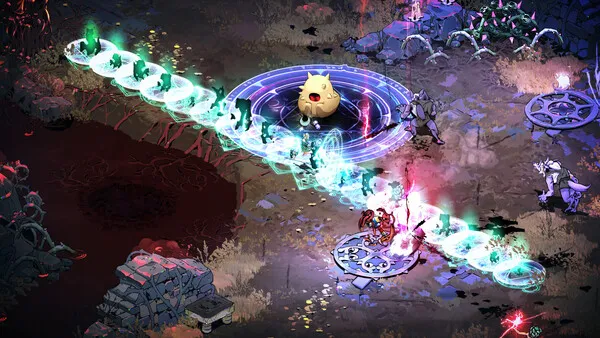
2. Enter Melinoë: A New Protagonist for a New Era
Hades II introduces Melinoë, the immortal Princess of the Underworld and sister of Zagreus. Her mission is not escape—it is resistance. This shift changes everything about the narrative tone.
While Zagreus’s journey was introspective—a son seeking freedom from his father’s rule—Melinoë’s quest is external and cosmic. She battles against Chronos, the Titan of Time, who has imprisoned her family and seeks dominion over all existence.
Melinoë represents a different flavor of rebellion. Where Zagreus sought self-knowledge, she seeks justice. Her arc transforms the personal odyssey of Hades into a mythic war for time and destiny, widening the scope without losing intimacy.
3. Reinventing Combat: Flow, Magic, and Mastery
Supergiant Games has always excelled at designing systems that feel alive. In Hades II, combat is faster, more tactical, and far more varied.
The biggest change comes from Melinoë’s focus on magic. Instead of Zagreus’s physical arsenal, she commands witchcraft—casting spells, summoning familiars, and channeling divine energy into devastating area attacks.
The new Omega system allows players to charge abilities, offering a new layer of strategic timing. Every battle becomes a dance of risk and precision.
Unlike many sequels that equate “more” with “better,” Hades II deepens its mechanics rather than bloating them. The enemies are more unpredictable, demanding adaptive playstyles. Melinoë’s spellcraft rewards patience and timing—qualities often missing in action-driven roguelikes.
Returning systems like Boons—gifts from gods that enhance Melinoë’s powers—now include deeper synergy trees. The gods themselves are more intertwined, their relationships affecting gameplay. The result is a roguelike ecosystem that evolves not just run to run, but god to god.
4. Thematic Expansion: From the Underworld to the Cosmos
The first Hades thrived in the claustrophobic beauty of the Underworld. Hades II, by contrast, dares to expand. Players venture through realms like the Surface, the Fields of Mourning, and temporal dimensions twisted by Chronos himself.
This isn’t just a new set of biomes—it’s an expansion of mythic tone. The narrative explores themes of fate, cycles, and time’s corruption. Each environment reflects Melinoë’s struggle not only against enemies but against inevitability itself.
The philosophical question becomes: if Zagreus defied death, can Melinoë defy time?
5. The Burden of Expectation
No sequel in recent indie history has faced as much pressure as Hades II. Every update, every Early Access patch, is scrutinized by millions of players who hold the first game sacred.
Supergiant Games is not a massive studio—it’s a small team with an artisanal approach. For them, the success of Hades was both a dream and a dilemma. They must now create something familiar enough to satisfy fans but bold enough to justify its existence.
Players, too, bear responsibility in this dynamic. Many claim they want innovation—but recoil when it challenges their nostalgia. The risk for Hades II is being judged not for what it is, but for what it isn’t.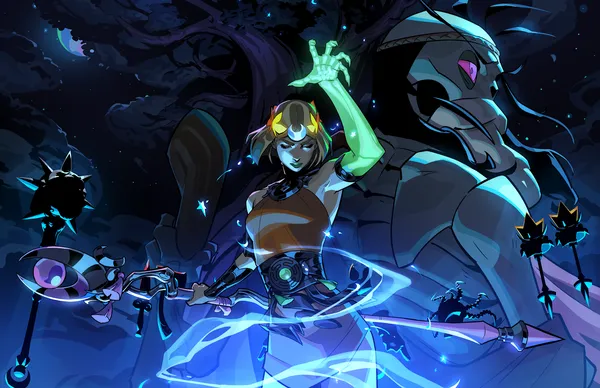
6. Storytelling in Loops: A Living Narrative
If Hades was about conversation as progression, Hades II elevates that concept further. Each run reveals new dialogue, story branches, and shifting relationships. But now, the story also reacts to time itself.
Characters remember when you visit them. Certain interactions only occur on specific in-game nights or during celestial phases. The result is a living narrative where repetition feels purposeful and alive.
This temporal storytelling—mirroring Chronos’s theme—turns every failed run into a fragment of destiny, not defeat.
7. The Music of the Moonlit War
No Hades experience would be complete without Darren Korb’s music. For Hades II, the soundtrack shifts from fiery rebellion to haunting melancholy.
The compositions lean on ethereal strings, ritual drums, and minor harmonies that reflect Melinoë’s witchcraft and lunar associations. Music once used to energize combat now dances between serenity and foreboding.
Sound is story in Hades II. The way the harp falls silent before a boss fight, or the echo of Chronos’s whispers across the battlefield, carries more narrative weight than dialogue ever could.
8. The Challenge of Early Access
Supergiant’s decision to release Hades II in Early Access is both practical and philosophical. It allows iterative design guided by player feedback—but it also exposes the creative process to public pressure.
Fans gain insight into the game’s evolution, but they also risk judging it before completion. This delicate balance mirrors the game’s own themes—progress through failure, creation through time.
Each update becomes a chapter in Hades II’s creation myth. Players act as witnesses, shaping the destiny of a story about destiny itself.
9. Supergiant’s Philosophy: The Art of Controlled Reinvention
Unlike major studios, Supergiant thrives on subtle transformation. Every game—Bastion, Transistor, Pyre, Hades—shares a common soul: handcrafted worlds, moral introspection, and mechanical precision.
With Hades II, the studio isn’t chasing scale—it’s chasing synthesis. The fusion of roguelike mastery, narrative elegance, and mythic expansion reflects their confidence as storytellers.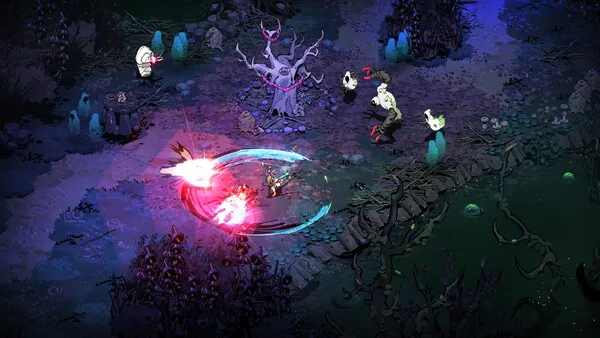
The game doesn’t try to outdo Hades; it seeks to complete it.
10. Conclusion: The Eternal Return of the Roguelike
In mythology, time is a circle. In Hades II, that circle continues—spiraling outward, richer and deeper than before.
The game’s real triumph isn’t in surpassing its predecessor, but in daring to exist beside it. Melinoë’s battle against Chronos mirrors Supergiant’s own struggle against the tyranny of expectation: both fight for freedom through creation.
As Hades II evolves, it reminds us that no masterpiece is truly final. The beauty of time—like the roguelike loop—is that every ending is just another beginning.