Hollow Knight: Silksong and the Challenge of Balancing Difficulty
Introduction
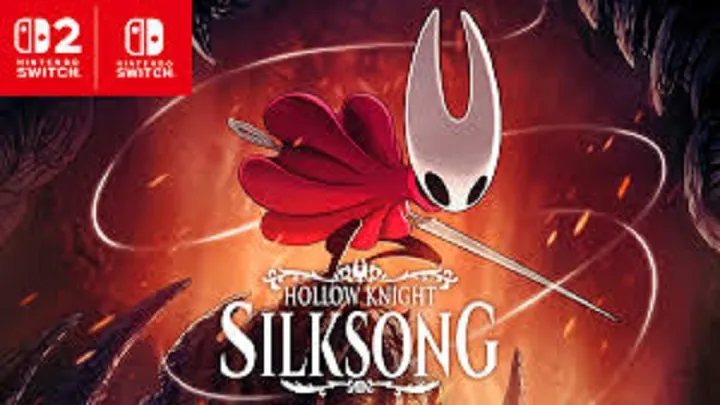
Hollow Knight: Silksong, the highly anticipated follow-up to Team Cherry’s masterpiece Hollow Knight, promises to expand on the original’s tight combat, fluid platforming, and rich world-building. Yet one issue sits at the heart of both player excitement and concern: difficulty balance. The original Hollow Knight gained a reputation for being demanding yet fair, but with Silksong introducing a faster protagonist, new abilities, and an expanded world, the difficulty curve becomes even more critical. Too punishing, and it risks alienating players; too lenient, and it may lose the edge that made Hollow Knight so beloved. This article explores the difficulty issue in depth, tracing how it shapes progression, immersion, and long-term replayability.
The Legacy of Hollow Knight’s Difficulty
Hollow Knight established itself as one of the most challenging yet rewarding indie titles of its generation. Boss battles like the Radiance or Nightmare King Grimm tested reflexes and patience, while platforming challenges such as the White Palace demanded precision and endurance.
This legacy creates expectations for Silksong. Players want the same sense of accomplishment, but they also expect refinements that prevent frustration. The bar is set high, and Silksong cannot simply replicate the same formula—it must evolve difficulty to fit Hornet’s faster, more agile playstyle.
Early Game: Accessibility Versus Challenge
The first hours of Silksong will be crucial in determining how players perceive the game’s challenge. Hollow Knight’s opening hours were infamous for their quiet difficulty spikes, with early bosses like False Knight overwhelming newcomers.
With Hornet, whose movements are quicker and mechanics more complex, early-game design faces new challenges. Developers must balance accessibility for players new to the series with enough challenge to engage veterans.
Design considerations include:
- Simplified introductory enemies that encourage learning Hornet’s mobility.
- Early checkpoints that reduce frustration for first-time players.
- Clear signaling of mechanics, so deaths feel fair rather than punishing.
Mid-Game: Expanding the Skill Ceiling
As players advance deeper into Silksong, the mid-game becomes the true testing ground. Hollow Knight used this stage to expand movement and combat abilities, layering complexity into the world. Silksong must achieve a similar balance, ensuring that Hornet’s faster toolkit doesn’t overwhelm players while still raising the skill ceiling.
Mid-game difficulty risks include:
- Overloading the player with too many mechanics at once.
- Bosses that punish experimentation instead of encouraging it.
- Platforming sequences that demand near-perfect execution too early.
The solution lies in gradual layering—introducing one mechanic at a time and building encounters that encourage mastery before moving on.
Boss Battles: The Core of Challenge
Boss design is the heart of Hollow Knight’s difficulty, and Silksong will be judged heavily on its boss encounters. The original game featured over 40 bosses, each with unique attack patterns, arenas, and rhythm.
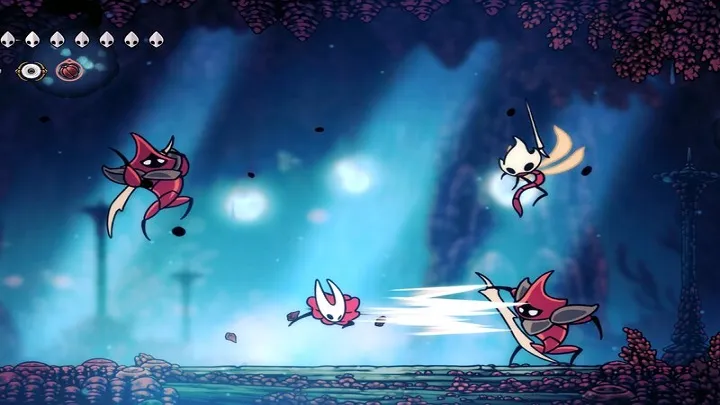
For Hornet, whose combat style emphasizes speed, counterattacks, and agility, boss design must evolve. Bosses cannot simply be faster versions of old fights—they must test Hornet’s unique strengths and weaknesses.
Key design challenges for bosses:
- Balancing attack telegraphs so that speed doesn’t overwhelm players.
- Creating arenas that encourage mobility without punishing mistakes unfairly.
- Ensuring difficulty escalates gradually across regions.
Boss battles remain the ultimate test of whether Silksong achieves the fine line between brutal and fair.
Platforming and Environmental Hazards
Hollow Knight’s White Palace and Path of Pain became infamous for their punishing platforming. While these sequences are beloved by hardcore players, they also alienated many. Silksong must decide whether to double down on such difficulty spikes or find ways to make them more accessible.
Hornet’s expanded mobility changes platforming fundamentally. Grappling, climbing, and dashing open possibilities for intricate designs, but they also risk making levels frustratingly precise.
Possible improvements:
- Optional “challenge routes” for hardcore players.
- Clearer visual cues to support timing and rhythm.
- Rewards proportional to difficulty, ensuring risk feels worthwhile.
Resource Management and Healing
One of the defining mechanics of Hollow Knight was the Soul system, where healing was tied to combat success. This created tension between offense and defense. Silksong reimagines healing with Hornet’s silk threads, which allow near-instant restoration but require a strategic resource.
This shift could dramatically affect difficulty. Faster healing risks reducing challenge, while limited resources could frustrate players if not balanced well.
Critical questions:
- Will silk threads recharge quickly enough to encourage experimentation?
- Can healing remain risky in high-pressure fights?
- How does resource management scale as the game progresses?
The answers to these questions will shape how punishing Silksong feels compared to its predecessor.
Exploration and Difficulty Scaling
Silksong’s world is rumored to be even larger than Hollow Knight’s Hallownest. With open exploration comes the issue of difficulty scaling—should all areas be equally accessible, or should progression be gated by skill and upgrades?
Hollow Knight used a mix of soft and hard gates, letting players explore but subtly guiding them toward appropriate challenges. Silksong faces the same design dilemma, but with Hornet’s greater mobility, it must prevent players from stumbling into areas too punishing too early.
Options for difficulty scaling:
- Dynamic scaling where enemy stats adjust to player progress.
- Clearer visual storytelling that signals danger zones.
- Optional high-risk areas for advanced players.
Replayability and the Role of Difficulty
One of Hollow Knight’s strengths was its replay value. Players returned to master boss fights, speedrun the game, or attempt Steel Soul mode (permadeath). Difficulty was central to this replayability.
Silksong must ensure its difficulty systems support long-term play. Modes that cater to different player types—casual, completionist, and hardcore—will extend the game’s lifespan.
Potential replayability features:
- Multiple difficulty modes or modifiers.
- Unique challenges tied to achievements.
- Community-driven modes like speedrun timers or permadeath.
Community Expectations and Pressure
The Hollow Knight community is famously passionate, and expectations for Silksong’s difficulty are intense. Some players demand even greater challenges, while others hope for more accessibility.
Team Cherry must balance these competing demands. The risk lies in polarizing the community—too easy and hardcore fans feel betrayed, too hard and newcomers feel excluded.
The community itself contributes to the perception of difficulty. Online guides, tutorials, and speedruns lower the barrier for some players while raising expectations for others.
The Future of Difficulty in Metroidvania Games
Silksong’s handling of difficulty will influence not just its own success but also the future of the genre. Metroidvanias increasingly balance accessibility with challenge, trying to appeal to both casual and hardcore audiences.
If Silksong succeeds, it will become a benchmark for how to balance fast-paced gameplay with meaningful difficulty. If it fails, it may reinforce the perception that these games are niche experiences for only the most dedicated players.
Conclusion
Hollow Knight: Silksong’s greatest challenge is not its expanded world or Hornet’s new abilities—it is finding the right balance of difficulty. From the early-game learning curve to punishing late-game bosses, every design choice will be scrutinized through this lens.
Difficulty is not simply about making the game hard or easy. It is about fairness, progression, and how challenges shape the player’s journey. If Team Cherry succeeds, Silksong will not only honor Hollow Knight’s legacy but redefine what difficulty means in the Metroidvania genre.