







The latest update in 99 Nights in the Forest has quietly reshaped how survival works, especially around the campfire system. Many players are now hitting a wall after Night 12, where fuel becomes harder to sustain and small mistakes spiral into full collapse.
This Tip & Guide focuses specifically on helping you adapt to the update. Instead of generic advice, these are practical, tested insights to keep your campfire stable and your run alive.
1. Tip: Build a Fuel Buffer Early
Why it matters now
The update increased pressure on mid-game survival, meaning early preparation is more important than ever.
What to focus on
- Collect more wood than you think you need
- Avoid unnecessary crafting early
- Treat early nights as setup phase
Guide insight
Entering Night 10 without extra fuel is now one of the biggest risks in the game.
 2. Tip: Stay Close to Camp More Often
The new risk
Long-distance runs are less efficient after the update due to:
- Higher enemy interruption
- Increased time cost
Smarter approach
- Use short, repeatable farming routes
- Memorize nearby resource spots
Guide insight
Consistency beats distance. Safe loops are more valuable than risky deep runs.
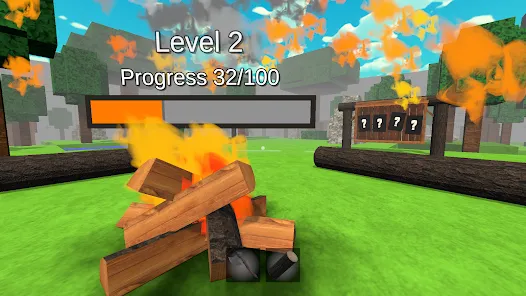
3. Tip: Control Campfire Intensity
Common mistake
Keeping the fire at max level all the time.
Better method
- Maintain a low, stable flame
- Only increase intensity when needed
When to boost
- Enemy waves
- Critical visibility moments
This alone can significantly extend your fuel lifespan.
4. Tip: Plan Every Movement
Why this changed
Movement inefficiency now directly impacts survival.
What to improve
- Avoid random wandering
- Pre-plan routes before leaving camp
- Always gather on both directions
Guide insight
Every second wasted = less fuel gained.
5. Tip: Prioritize Fuel Over Progress
Hard reality
The update shifted priorities:
- Fuel > exploration
- Fuel > upgrades
Smart decision-making
- Skip risky opportunities
- Delay non-essential progress
Guide insight
If your campfire dies, progress doesn’t matter.
6. Tip: Watch for Early Warning Signs
Signs of incoming collapse
- Returning with barely enough wood
- Frequent low-fire situations
- Shorter exploration runs
What to do immediately
- Switch to safer farming
- Stop taking risks
- Focus on rebuilding запас
Guide insight
Recognizing the problem early is the difference between recovery and failure.
7. Tip: Avoid Unnecessary Combat
What changed
Enemies now waste more of your time than before.
Better strategy
- Dodge instead of fight
- Disengage quickly
- Farm in safer zones
Guide insight
Combat is no longer efficient—it’s a resource drain.
8. Tip: Adapt to Mid-Game Difficulty Spike
When it happens
Between Night 10–15, difficulty ramps up sharply.
How to handle it
- Slow down your gameplay
- Reduce exploration range
- Focus only on survival basics
Guide insight
Mid-game is now the real challenge—not late-game.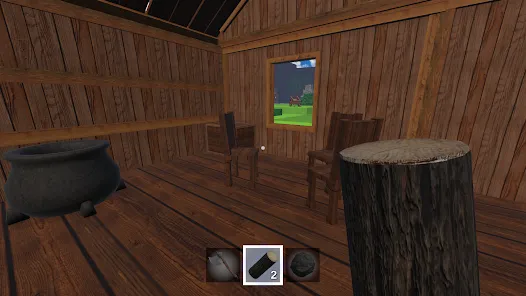
9. Tip: Always Keep Emergency Fuel
Why this is critical
Running out of fuel is now much easier after the update.
What to maintain
- A small запас of wood at all times
- Backup plan if a run fails
Recovery tip
If fuel gets low:
- Pause exploration
- Farm only safe areas
- Rebuild before continuing
10. Tip: Play Smarter, Not Faster
Biggest mindset shift
Aggressive playstyles are now punished.
What works now
- Slow pacing
- Consistent routines
- Risk management
Final guide insight
Winning is no longer about speed—it’s about control.
Conclusion
The new update in 99 Nights in the Forest has made survival more demanding, especially around the campfire system. Players who continue using old strategies often struggle during mid-game, where the collapse spiral begins.
By applying these tips—focusing on fuel management, efficient routing, and controlled gameplay—you can adapt to the changes and maintain stable runs even after Night 12.
The game hasn’t become impossible—it just requires smarter play.