.webp)








Introduction
Destiny 2 is one of the most expansive live-service shooters ever created. With its mix of fast-paced first-person combat, MMO-style build crafting, deep lore, and a constantly evolving universe, the game can feel overwhelming to newcomers and even returning players. Between learning subclasses, mastering loadouts, understanding power level progression, completing dungeons, and optimizing gear farming, there is a lot to take in. This guide helps simplify everything.
This long-form Tip & Guides article breaks down the most essential aspects of Destiny 2, from beginner foundations to advanced-level strategies used by veteran Guardians. Whether you're stepping into the world for the first time or returning after several seasons, this complete manual will help you play smarter, level faster, and survive more of the galaxy’s toughest challenges.
1. Understanding Your Guardian Class
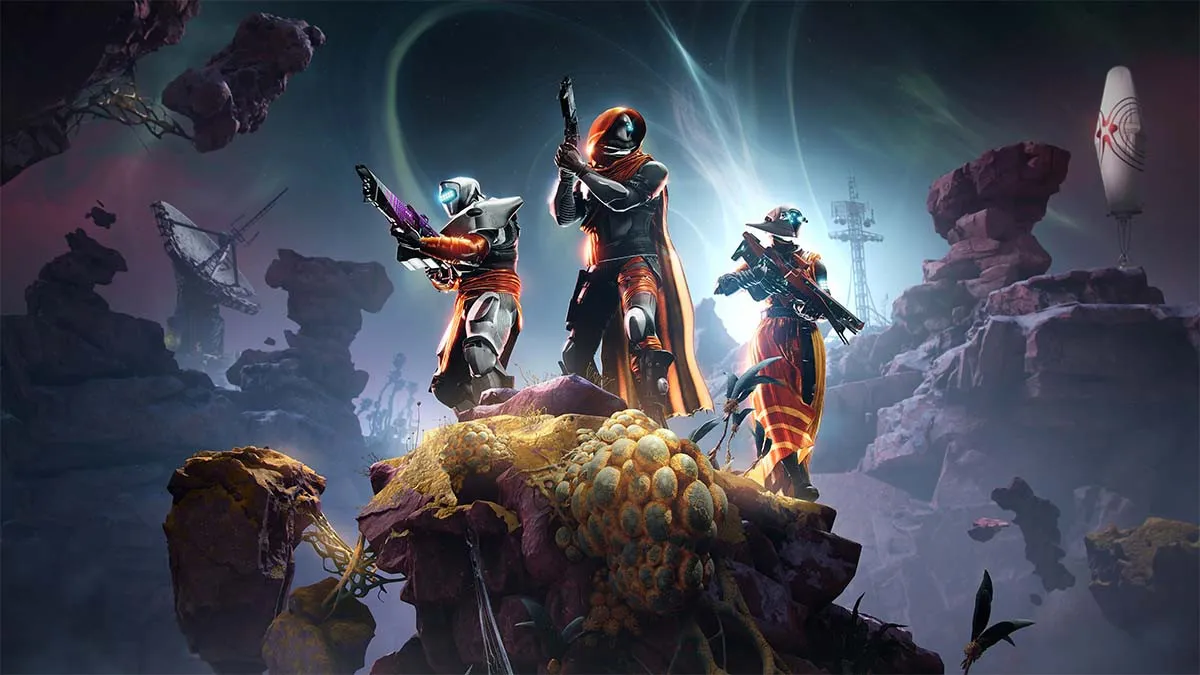
Choosing a class is one of the most important early-game decisions. Destiny 2 has three distinct classes: Titan, Hunter, and Warlock. Each offers a different combat philosophy, defensive capabilities, and unique supers.
Titans focus on durability and frontline control. Their barricades and shoulder charges make them perfect tanks. Hunters are agile assassins who rely on mobility, invisibility, and precision. Warlocks mix offense and support, wielding abilities that heal allies or unleash devastating AoE damage. Spend time testing subclass branches before committing to one style.
Subclasses Explained
Each class includes multiple elemental subclasses: Solar, Arc, Void, Stasis, and Strand. These define your abilities, grenade types, super attacks, and movement skills. For example, Arc focuses on speed and chain lightning, Solar emphasizes healing and burning damage, and Void introduces invisibility, weakening, and suppression. Learning how each subclass behaves allows you to build coordinated loadouts that match different activities.
2. Power Level Progression and How to Climb Efficiently
Power level is Destiny 2’s central progression system. It determines how much damage you deal and how well you survive in tougher activities. Every new player eventually hits a leveling wall, so understanding how to progress efficiently is essential.
Soft Cap, Powerful Cap, Pinnacle Cap
Destiny 2 divides progression into three stages: the soft cap, which you reach quickly by collecting any gear; the powerful cap, requiring weekly activities that drop higher-level rewards; and the pinnacle cap, which only the hardest content can surpass. Avoid wasting Pinnacle drops early—wait until all your gear slots are balanced.
Weekly Activities That Matter
To efficiently climb power, complete weekly powerful sources such as Vanguard strikes, Crucible matches, Gambit, and seasonal quests. Save Pinnacle sources like raids and competitive missions when all your other gear is leveled, so each drop provides maximum benefit.
3. Weapon Types and How to Choose the Best Loadout
Destiny 2 features dozens of weapons, each with unique perks, archetypes, recoil patterns, and elemental effects. Mastering your arsenal is one of the keys to long-term success.
Primary, Special, and Heavy Weapons
Primary weapons like auto rifles, hand cannons, and pulse rifles are your bread-and-butter tools against minor enemies. Special weapons such as shotguns, sniper rifles, and fusion rifles deliver heavy bursts of damage. Heavy weapons like rocket launchers and linear fusion rifles are reserved for bosses and champions.
Understanding Perks and God Rolls
The real complexity comes from perks. Perks like Outlaw, Frenzy, Voltshot, Demolitionist, or Frenzy dramatically change playstyle. Learn the concept of “god rolls,” where specific perk combinations make a weapon incredibly effective. For instance, a PvE god roll rocket launcher should include perks like Impact Casing, Tracking Module, and Explosive Light.
4. Armor Stats, Mods, and Build Crafting
As you advance in Destiny 2, armor becomes as important as weapons. Your armor contains six core stats: Mobility, Resilience, Recovery, Discipline, Intellect, and Strength. Each directly influences your cooldowns and survivability.
Building Around Abilities
For example, Warlocks benefit from higher Recovery, Titans benefit from more Resilience, and Hunters prefer Mobility. Build crafting involves choosing armor mods that complement your subclass. When using Strand, you may prioritize Threadling generation, while Solar builds might focus on grenade regeneration.
Armor Mods and Enablers
Mods provide customization. Some reduce ability cooldowns, while others boost weapon damage, increase ammo reserves, or add elemental effects. Seasonal mods also enhance specific playstyles. Learning how elements interact—such as ignitions, jolts, and volatile rounds—makes builds drastically stronger.

5. Mastering Movement and Mobility Techniques
Destiny 2 has some of the smoothest movement in any FPS game. Skilled Guardians take advantage of mobility to dodge enemy fire, reach strategic positions, and maximize DPS uptime.
Jump Types and Their Uses
Each class has unique jumps. Titans have lift-based propulsion, Hunters have double or triple jumps, and Warlocks float. Movement mastery involves using the jump best suited to each environment. Hunters excel at rapid traversal, while Warlocks glide to maintain aerial firing.
Advanced Techniques
More experienced players use sliding, Icarus dashes, grapple swings from Strand, momentum shifts, and quick ability cycling to maintain high mobility. These techniques improve survivability across high-difficulty modes like Grandmaster Nightfalls.
6. Enemy Factions and How to Counter Them
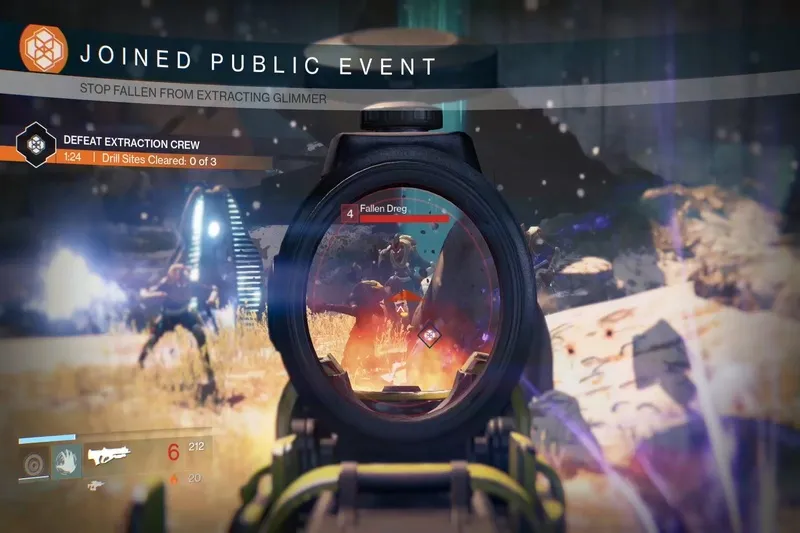
Destiny 2’s enemies come from several races, including Fallen, Hive, Cabal, Vex, Taken, Scorn, and Tormentors. Each faction behaves differently and requires specific strategies.
Understanding Combat Behavior
Hive enemies rush aggressively, while Fallen prefer mobile hit-and-run tactics. Vex units often teleport, and Taken enemies distort space with blights. Learning their attack patterns allows you to anticipate moves and conserve ammo.
Champion Types
Advanced content introduces Champions: Overload, Unstoppable, and Barrier. These enemy types require special mods and weapons. For example, Overload champions need weapons that apply overload rounds, while Barrier champions must have shield-piercing abilities. Always preview the activity's modifiers before entering.
7. Strikes, Nightfalls, and Team Coordination
Strikes represent Destiny 2’s cooperative PvE foundation. Nightfall strikes are their harder, reward-focused versions with additional modifiers.
Team Composition Matters
Having diverse subclasses helps. Combining healing Warlocks, tanky Titans, and DPS Hunters creates strong synergy. Good communication helps avoid wipes during boss phases.
Nightfall Mechanics
Nightfalls reward experience, powerful gear, and materials like Ascendant Shards. At higher difficulties, enemy shields, match game rules, elemental surges, and modifiers make coordination essential. Bring weapons that match the elemental surge for maximum damage.
8. Raids, Dungeons, and Endgame Mastery
Raids and dungeons are the peak activities in Destiny 2. They challenge teamwork, puzzle-solving, and high-level loadout optimization.
Raids Require Teamwork
Raids consist of multi-phase encounters requiring players to manage mechanics, divide roles, solve puzzles, and defeat bosses. Clear communication is essential. Many raid mechanics involve carrying relics, matching symbols, or handling buffs.
Dungeons Offer Solo Challenges
Dungeons are three-player activities with raid-style complexity but smaller scale. Many skilled Guardians attempt solo flawless runs, where a single mistake ends the attempt. Optimized builds, ammo economy, and enemy control are key.
9. Seasonal Content and Efficient Farming Strategies
Destiny 2’s seasonal model introduces new activities, loot, and mechanics every few months. Understanding how to farm seasonal gear efficiently helps maximize rewards.
Seasonal Activities
Each season usually adds a unique mode—ranging from arena combat to exploration missions. Seasonal weapons often include powerful perks exclusive to the season, making them essential for collection.
Best Farming Methods
Efficient methods include repeating high-yield activities like seasonal playlists, public event loops, or lost sector rotations. Some seasons also feature craftable weapons, letting players build perfect rolls.
10. PvP and Crucible Combat Tips
The Crucible is Destiny 2’s competitive multiplayer arena. It offers several modes, such as Control, Survival, Rumble, and Trials of Osiris.
Aim, Positioning, and Cooldowns
PvP requires strong aim and map knowledge. Keep to high ground, use cover, and track your ability cooldowns. Some subclasses excel in PvP, like Arcstrider Hunters or Void Titans.
Using Meta Weapons
PvP is heavily influenced by weapon balance. Meta choices often include hand cannons, pulse rifles, sniper rifles, and shotguns. Use weapons with high handling and stability. Movement is also vital—sliding, jumping, and strafing help avoid enemy fire.
Conclusion
Destiny 2 is a vast universe full of rich mechanics, challenging activities, and endless opportunities to refine your playstyle. Whether you're focusing on power level progression, learning to optimize builds, mastering raid mechanics, or refining PvP techniques, every system in the game rewards continued learning. By understanding classes, enemy behaviors, weapon perks, mobility skills, and endgame content, you’ll grow into a more confident Guardian capable of tackling any challenge.
This guide provides the essential foundations for approaching Destiny 2 intelligently and strategically. With time and practice, you’ll craft powerful builds, conquer difficult encounters, and unlock the full potential of your Guardian.