



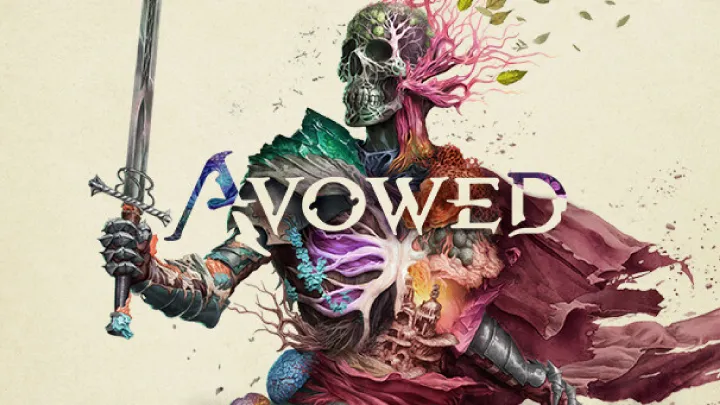
Avowed, an eagerly anticipated RPG from Obsidian Entertainment, immerses players in the expansive world of Eora, a setting rich with lore and history from the Pillars of Eternity series. Promising a unique first-person experience, Avowed invites players to explore its stunning landscapes while making critical decisions that significantly impact their journey. However, one specific issue looms large over the game's development: the balance of player agency within a structured narrative. This article explores how Avowed navigates this balance, the implications for storytelling, and how it affects player engagement and satisfaction.
The Premise of Avowed
Setting the Scene in Eora
Avowed is set in the same universe as the Pillars of Eternity series, allowing players to immerse themselves in a familiar yet newly expansive environment. Players can explore the history-laden world of Eora, filled with magical creatures, ancient ruins, and conflicts among its factions. This intriguing backdrop sets the stage for a riveting story that invites players to forge their paths.
Characters and Factions
In Avowed, players can expect to encounter a plethora of characters, including allies and adversaries, as they navigate various factions vying for power. The game aims to create complex relationships, allowing players to develop allegiances and make choices that can bolster or shift the power dynamics within Eora. These relationships are designed to be laden with moral ambiguity, challenging players’ principles and decision-making.
The Importance of Player Agency
Defining Player Agency
Player agency refers to the freedom and control players have to make meaningful choices within a game. In an RPG, this means not just selecting dialogue options but also influencing the game world, character relationships, and narrative outcomes based on one’s decisions. Avowed aims to provide a comprehensive sense of agency, where players feel that their choices result in tangible consequences.
Balancing Freedom with Structure
While player agency is crucial for immersion, it must be balanced with a structured narrative that provides guidance. Too much freedom can lead to a disjointed experience, while too little can stifle creativity and engagement. The challenge for Avowed lies in creating a flexible narrative that adapts to player choices without losing coherence or direction.
The Mechanics of Choice
Systems Influencing Player Agency
Avowed will implement various systems to enhance player agency. These may include dialogue trees, moral alignment systems, and branching questlines that react dynamically to player choices. Understanding how these systems interconnect is essential for fostering a sense of influence within the game.
Dialogue Trees
Dialogue trees in Avowed are designed to present players with a range of options that reflect different facets of their character's persona. Choosing responses will not only shape relationships with NPCs but also affect story progression, enabling a personalized experience.
Moral Alignment
A moral alignment system can profoundly impact gameplay in Avowed. Players might find themselves navigating ethical dilemmas that can shift their alignment towards good or evil, affecting how the world perceives them. This kind of deep alignment system adds another layer of complexity to player choices.
The Role of Narrative Structure
Weaving Player Choices into the Story
For player agency to feel impactful, it must be woven intricately into the overarching narrative. Avowed aims to develop a story that reacts to the choices players make while ensuring that narrative integrity remains intact.
Crafting Responsive Environments
Interactive environments that change based on player decisions can make the world feel alive. For example, if players choose to support a particular faction, changes in the landscape, NPC behavior, and available quests can reflect that choice, enhancing immersion.
The Importance of Backstory
While player choices shape the narrative, consistent backstory and lore are essential for grounding those choices. Avowed must develop rich backstories for both players and NPCs that provide context for decisions, enabling players to understand the consequences of their actions within the larger narrative.
Emotional Engagement Through Choice
The Power of Consequences
Meaningful choices carry weight and must have consequences that resonate emotionally with players. Whether it leads to heartbreak or triumph, the consequences of players’ choices should enhance the game’s emotional impact.
Character Relationships
Building relationships with NPCs can lead to diverse outcomes based on player choices. These relationships should vary in depth and complexity, affecting emotional engagement. For instance, a decision that alienates a companion should lead to visible consequences in gameplay and story, such as sadness or betrayal, affecting the protagonist’s morale and resolve.
Moments of Tension
Moments of high tension, where players must make impactful decisions, should punctuate the narrative. These can be designed as pivotal points that lead to conflicts, moral dilemmas, and character development, deepening emotional investment.
Community Expectations and Feedback
Engaging with Player Input
With the history of Obsidian's previous titles, community expectations are high for Avowed. Engaging with player input during development, such as through beta testing and feedback sessions, can help refine the balance between narrative structure and player agency.
Addressing Concerns
Community feedback often contains valuable insights into how to improve player agency and storytelling. Listening to this feedback and addressing concerns related to pacing, character depth, and consequences will be crucial for Avowed to resonate effectively with its audience.
The Challenge of Replayability
Encouraging Multiple Playthroughs
To foster long-term engagement, Avowed must encourage multiple playthroughs through varied storylines and outcomes. This can be achieved through branching paths, character choices, and moral dilemmas that lead to distinct endings.
Dynamic Story Arcs
Implementing dynamic story arcs that change based on previous decisions can add layers to the narrative, ensuring that players feel compelled to revisit the game. Characters can evolve based on decisions made in previous playthroughs, deepening player experience.
Unlocking New Choices
Introducing systems that unlock new dialogue options and storylines based on previous playthroughs can further incentivize exploration of different choices. This ensures that choices made in one playthrough can lead to entirely new paths in subsequent playthroughs.
Future Directions for Avowed
Expanding the Game World
Given the expansive lore of Eora, there is ample opportunity for future expansions or DLC content. These additions could introduce new characters, factions, and realms that deepen the existing universe, allowing players to continue making choices that affect new storylines.
Incorporating Emerging Technologies
Utilizing emerging technologies, such as AI-driven NPC behaviors or advanced procedural storytelling, could further enhance player agency. By enabling the game to adapt to player choices more dynamically, Avowed can create an experience that feels personal and unique.
Conclusion
Avowed is poised to be a groundbreaking RPG that intricately weaves player agency into a richly constructed narrative. The balance between structured storytelling and the freedom of player choice is critical for enhancing emotional engagement and lore immersion. By focusing on robust character development, responsive environments, and community feedback, Avowed can navigate the complexities of player agency, setting a new standard in the genre. As the game prepares for launch, it holds the promise of delivering a deeply engaging experience that resonates with players far beyond their initial choices.