







Introduction
Rust is one of the most unforgiving survival games ever created. Many players enter a wipe believing that success comes from fast progression, large compounds, or constant PvP dominance. While those things matter, experienced players understand that the true long-term advantage comes from efficiency and intelligence rather than pure aggression.
One of the most underrated skills in Rust is stealth raiding. Unlike explosive online raids involving massive clans and rockets flying everywhere, stealth raiding focuses on precision, patience, and low visibility. The objective is not simply destroying another player's base. The real goal is maximizing loot while minimizing risk, sulfur cost, attention, and retaliation.
This guide focuses specifically on advanced stealth raiding strategies for solo players and small groups. Instead of explaining beginner mechanics, this article explores how experienced raiders scout targets, manipulate player behavior, optimize sulfur usage, infiltrate compounds quietly, and escape safely with valuable loot. Mastering these systems can completely change how you survive an entire wipe cycle.
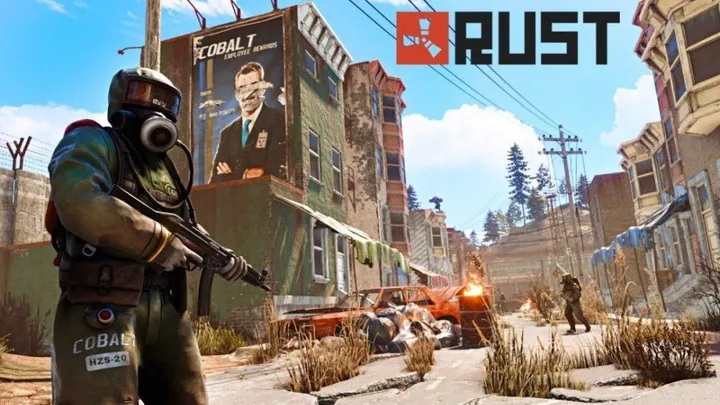
Understanding the Core Idea Behind Stealth Raiding
Most players raid emotionally. They lose a fight, become angry, and immediately craft satchels or rockets to attack nearby enemies. This often results in wasted explosives, poor loot returns, and revenge raids later.
Stealth raiding works differently. It is based on information warfare.
The purpose is to attack only when the situation strongly favors success. Instead of showing power publicly, stealth raiders hide their intentions and avoid unnecessary attention.
A successful stealth raid usually involves:
- Careful reconnaissance
- Patience
- Efficient pathing
- Silent movement
- Fast extraction
- Controlled risk
Many of the best solo players on official servers survive because nobody realizes how dangerous they actually are.
Why Solo Players Benefit the Most
Large clans can recover from mistakes quickly. They usually own multiple furnaces, backup kits, and massive sulfur reserves. Solo players do not have those advantages.
One failed raid can destroy an entire wipe for a solo player.
Stealth raiding reduces that risk because:
- Sulfur usage stays lower
- Exposure time decreases
- Counter-raids become less common
- Loot transportation becomes safer
- Enemies struggle to identify attackers
The lower your visibility becomes, the longer you survive.
The Difference Between Loud and Visible
Many players think stealth means silence. That is not completely true.
A rocket raid can still remain stealthy if it happens during chaotic server activity. Meanwhile, a silent eco raid near Outpost during low-population hours may attract massive attention.
Visibility matters more than raw sound.
Experienced raiders understand how to hide inside server chaos.
Choosing the Right Server for Stealth Gameplay
Stealth raiding begins before you even place your starter base.
Different server types create completely different raiding environments.
High Population Servers
High-population servers create constant distractions:
- Helicopter fights
- Oil Rig battles
- Monument PvP
- Cargo Ship fights
- Clan wars
This chaos helps stealth players because attention constantly shifts around the map.
However, these servers also contain major dangers:
- More roamers
- More third parties
- Faster counters
- More roof campers
- Stronger clans
On busy servers, timing becomes extremely important.
Advantages of High Population Servers
Busy servers often create opportunities for surgical raids.
For example:
- A nearby clan leaves for Large Oil Rig
- Another group starts raiding Launch Site neighbors
- Bradley fight distracts local players
Those moments create temporary security gaps.
Stealth players thrive inside confusion.
Best Time to Raid on Busy Servers
The strongest windows usually happen during:
- Large monument fights
- Server restart periods
- Late-night hours
- During airdrop activity
- During major clan wars
Timing often matters more than weapon quality.
Low Population Servers
Low-population servers behave very differently.
Every gunshot becomes noticeable. Every explosive attracts curiosity.
However, low-population servers also create complacency. Many players stop defending carefully because they assume nobody nearby is dangerous.
This creates ideal targets for stealth raiders.
Common Weaknesses on Quiet Servers
You often find:
- Weak honeycomb
- Unfinished compounds
- Poor bunker designs
- Exposed loot rooms
- Open roof access
Many players relax too much on low-pop servers.
Patience Matters More
On quiet servers, stealth raiding becomes slower and more methodical.
You should:
- Observe targets longer
- Track online schedules
- Avoid repeated scouting paths
- Raid during known inactivity windows
The quieter the server becomes, the more important patience becomes.
How to Scout a Base Properly Before Raiding
The biggest mistake inexperienced raiders make is attacking without gathering information.
Good scouting dramatically increases success rates.
Many successful raids are won before explosives are even crafted.
Tracking Player Behavior
Player behavior reveals vulnerabilities.
Before raiding, observe:
- Online hours
- Team size
- Roaming habits
- Monument preferences
- Farming routes
- Loot transportation patterns
Patterns eventually appear.
For example, if a trio leaves every evening for Arctic Research Base, their compound may remain undefended for thirty minutes consistently.
That becomes your opportunity.
Watching Movement Patterns
Movement patterns reveal base structure indirectly.
Pay attention to:
- Which doors players use most
- Where they exit during fights
- Which areas receive upgrades first
- Where furnaces are placed
- Roof access behavior
Even simple observations can save thousands of sulfur later.
Reading Base Architecture
Experienced raiders can estimate loot locations through architecture alone.
Important clues include:
- Honeycomb symmetry
- Roof height
- Shooting floor placement
- External TC positioning
- Window placement
- Furnace room direction
Many players unintentionally reveal their core location through poor expansion planning.
Common Structural Mistakes
Bad builders often expose weaknesses like:
- Single-door loot paths
- Soft-side walls
- Visible bunker entrances
- Weak roof access
- Predictable loot room centers
Good scouting identifies these weaknesses early.
Using Audio Intelligence
Rust audio provides enormous information value.
Listening carefully reveals:
- Garage door counts
- Repair bench usage
- Large furnace activity
- Workbench crafting
- Turret placement
- Footstep counts
A patient scout can estimate raid difficulty almost entirely through sound.
Why Audio Discipline Matters
Many players reveal too much accidentally.
Examples include:
- Constant garage door opening
- Loud armor movement
- Frequent roof access
- Careless crafting noise
Experienced stealth players gather information quietly while avoiding giving away their own position.
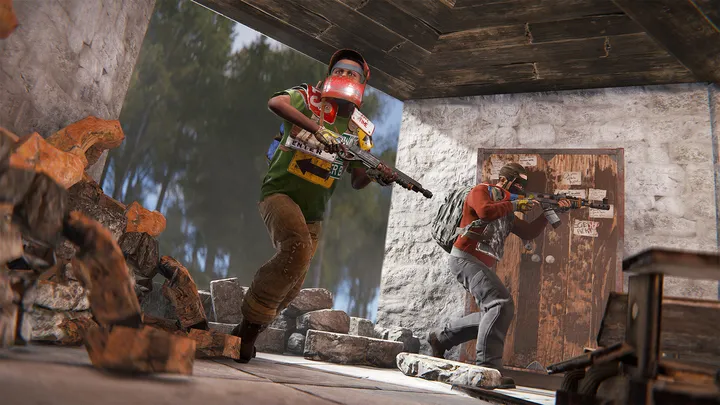
Efficient Sulfur Farming Without Attracting Attention
Sulfur farming itself can expose your intentions.
Players carrying massive sulfur stacks become valuable PvP targets immediately.
Stealth players farm differently.
Avoid Predictable Routes
Many players repeatedly farm the same mountain path.
This creates predictable ambush opportunities.
Instead:
- Rotate farming locations
- Farm during weather changes
- Deposit resources frequently
- Avoid long visible mining sessions
- Use forests and rivers for movement
Survival matters more than perfect efficiency.
Small Consistent Farming Beats Greedy Farming
Stealth players often succeed because they farm gradually.
Benefits include:
- Lower risk
- Reduced inventory loss
- Less visibility
- Better flexibility
- Safer progression
Slow accumulation wins wipes more often than huge risky runs.
Recycling as Hidden Sulfur Income
Recycling provides enormous hidden value.
Components convert indirectly into explosive progress.
Important recycling items include:
- Tech trash
- SMG bodies
- Pipes
- Road signs
- Metal blades
Many experienced players rely heavily on recycling rather than obvious sulfur farming.
Why Recycling Is Safer
Road farming attracts less attention than endless jackhammer mining.
It also provides:
- Scrap
- Metal fragments
- HQM
- Cloth
- Components
This creates multiple progression paths simultaneously.
Looking Poor Intentionally
One of the smartest stealth strategies is appearing weak.
Large compounds attract raids.
Massive furnace bases attract scouts.
Aggressive roof campers create enemies.
Instead, stealth players often use:
- Compact bases
- Hidden entrances
- Minimal roof activity
- Small furnace setups
The less threatening you appear, the safer you become.
Best Raid Types for Stealth Players
Not all raids are equal.
Stealth players prioritize efficiency over spectacle.
Eco Raids
Eco raids focus on bypassing defenses without expensive explosives.
Common eco raid methods include:
- Soft-side pickaxe entry
- Flamethrower wooden doors
- Spear destruction
- Decay exploitation
- Twig access abuse
These raids take longer but remain much quieter.
When Eco Raids Work Best
Eco raids work especially well against:
- Inactive players
- Poor builders
- Starter bases
- Decaying compounds
- Weak expansion paths
Patience often replaces sulfur entirely.
Surgical Explosive Raids
Surgical raids focus on precise entry.
Instead of wiping entire compounds, stealth players identify the cheapest path possible.
Examples include:
- Single garage door routes
- Weak honeycomb sections
- Roof bunker bypasses
- External TC entry
- Hidden pixel gaps
Every explosive matters.
Sulfur Efficiency Matters
Good raiders calculate:
- Sulfur-to-loot ratio
- Expected resistance
- Escape probability
- Counter-raid timing
Efficient raids create long-term progression.
Counter-Raiding
Counter-raiding is one of the strongest stealth strategies in Rust.
During active raids:
- Defenders become distracted
- Loot gets scattered
- Raiders overextend
- Security weakens
Stealth players often steal loot from raiders rather than original targets.
Why Counter-Raiding Is Powerful
Benefits include:
- Free explosives
- High-tier gear
- Reduced sulfur investment
- Confused enemies
- Easy third-party opportunities
Sometimes the smartest raid is joining somebody else's chaos.
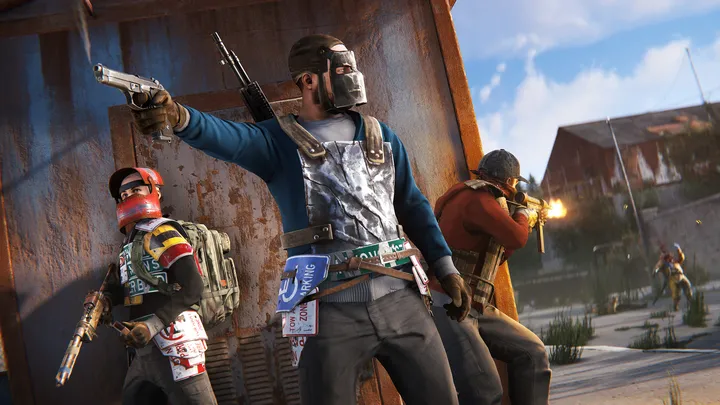
Timing Your Raid Correctly
Timing often determines raid success more than weapons themselves.
Understanding Server Rhythms
Every server develops patterns.
These include:
- Peak activity hours
- Clan roam schedules
- Monument farming windows
- Farming routines
- Night inactivity
Understanding these cycles creates safe raiding opportunities.
Best Stealth Windows
Strong raid windows usually occur:
- During monument fights
- During storms
- Late at night
- During server lag spikes
- During massive PvP events
Attention diversion becomes your protection.
Using Weather as Cover
Fog and rain are extremely valuable.
Advantages include:
- Reduced visibility
- Harder audio tracking
- Safer movement
- Lower sniper threat
Many experienced players intentionally delay raids until weather conditions improve stealth.
Night Raiding Advantages
Night raids provide:
- Reduced visual exposure
- Better movement concealment
- Safer escape routes
However, nighttime also increases confusion.
You must know your route beforehand.
Late-Wipe Opportunities
Near wipe end, many players become careless.
Common late-wipe mistakes include:
- Poor upkeep management
- Loot overcrowding
- Weak defenses
- Careless storage
- Open compounds
This creates profitable stealth opportunities.
Why Late Wipe Raids Work Well
Players often lose motivation near wipe reset.
That means:
- Slower reactions
- Less roaming
- Lower organization
- Reduced defense effort
Loot density increases while discipline decreases.
Advanced Base Infiltration Techniques
Sometimes the best raids use no explosives at all.
Strategic Door Camping
Most players door camp emotionally.
Stealth players use it intelligently.
Objectives include:
- Learning interior layouts
- Watching movement timing
- Identifying loot paths
- Studying code lock behavior
Patience creates infiltration opportunities.
What Good Door Campers Observe
Pay attention to:
- Double door sequences
- Airlock mistakes
- Team coordination
- Interior lighting
- Player panic reactions
Information becomes more valuable than kills.
Hidden Stash Usage
Hidden stashes remain incredibly powerful.
Instead of carrying everything home instantly:
- Bury loot nearby
- Return later quietly
- Transport in smaller batches
- Use multiple stash points
This dramatically lowers catastrophic loss risk.
Smart Stash Placement
Good stash spots include:
- Dense forests
- Rock shadows
- Riverbanks
- Snow ridges
Avoid obvious terrain landmarks.
Exploiting Human Error
Players are always the weakest base component.
Common mistakes include:
- Leaving doors open
- Weak roof security
- Predictable codes
- Poor shotgun trap placement
- Visible loot rooms
Most stealth raids succeed because defenders become lazy.
Why Complacency Kills Bases
Players feel safest near home.
That creates carelessness.
Experienced infiltrators wait patiently for those moments.
How to Extract Loot Safely
Many raids fail after successful entry.
Loot extraction is often the most dangerous stage.
Never Carry Everything at Once
Greed destroys countless raids.
Instead:
- Prioritize explosives
- Move sulfur first
- Take HQM early
- Return for low-value items later
Partial success is better than total loss.
Smart Loot Priorities
Highest-value items usually include:
- Sulfur
- Explosives
- Guns
- HQM
- Components
Wood and stone rarely matter during extraction.
Building Temporary Raid Bases
Mini raid bases increase survival rates dramatically.
Essential features include:
- Spare kits
- Bags
- Medical supplies
- Repair bench
- Small loot storage
A nearby fallback point prevents instant raid failure.
Why Raid Bases Matter
Without a nearby respawn:
- One death ends everything
- Loot becomes unrecoverable
- Counters gain advantage
Preparation prevents disaster.
Alternative Escape Routes
Most players run directly home after raiding.
That predictability gets them killed.
Instead:
- Travel through forests
- Rotate around monuments
- Delay movement temporarily
- Use rivers for concealment
- Avoid roads entirely
Unpredictability keeps loot safe.
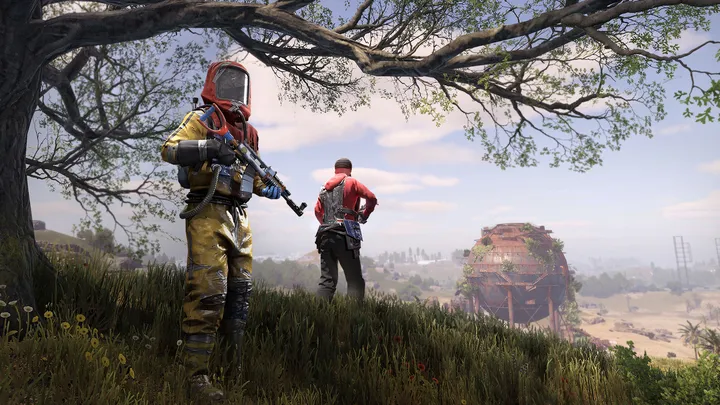
Psychological Warfare After the Raid
Stealth raiding continues even after leaving the target.
Avoid Creating Revenge Motivation
If enemies know who attacked them, revenge becomes likely.
Reduce suspicion by:
- Avoiding trash talk
- Not using recognizable gear
- Staying away temporarily
- Avoiding local PvP
The less emotional damage you create, the safer your future becomes.
Why Anonymous Raiders Survive Longer
Invisible players rarely become priority targets.
Most clans focus on:
- Loud enemies
- Roof campers
- Chat spammers
- Aggressive roamers
Quiet players survive longer.
Leaving Loot Behind Intentionally
Sometimes leaving small loot behind reduces panic.
Victims may assume:
- Raiders missed boxes
- Loot was mediocre
- Attackers were interrupted
This lowers emotional response.
Controlled Damage Works Better
Completely wiping a player often creates revenge motivation.
Smaller stealth raids frequently remain unnoticed longer.
Redirecting Suspicion
Smart raiders manipulate local politics.
Examples include:
- Raiding during clan wars
- Using enemy weapon types
- Attacking contested zones
Confused groups often blame each other instead.
Why Misdirection Matters
If enemies fight among themselves:
- Your base stays safer
- Attention shifts elsewhere
- Retaliation weakens
Psychological warfare becomes another survival tool.
Common Mistakes That Destroy Stealth Raids
Even experienced players sabotage themselves.
Overcommitting Explosives
Many raiders continue deeper simply because they already invested sulfur.
This causes:
- Longer exposure
- Counter-raids
- Loot overload
- Escape failure
Sometimes leaving early is the correct decision.
Recognizing Bad Raid Momentum
Warning signs include:
- Nearby gunfire increasing
- Frequent footsteps
- Delayed loot discovery
- Long explosive chains
Good raiders know when to stop.
Ignoring Escape Planning
Many players plan entry carefully but ignore extraction.
Always know:
- Nearby cover locations
- Respawn routes
- Safe stash areas
- Monument danger zones
Your escape path matters as much as your raid path.
Escape Planning Checklist
Before raiding, identify:
- Backup kits
- Transportation routes
- Night cover areas
- Alternate retreat paths
Preparation prevents panic.
Poor Audio Discipline
Sound gives away positions constantly.
Bad habits include:
- Sprinting excessively
- Jumping unnecessarily
- Loud armor movement
- Unsuppressed shooting
Stealth players treat sound as a resource.
Better Audio Habits
Strong habits include:
- Walking near enemies
- Using suppressors
- Closing doors quietly
- Avoiding unnecessary combat
Silence creates survival opportunities.
Long-Term Wipe Domination Through Stealth
Elite stealth raiders think beyond individual raids.
Their goal is long-term control.
Resource Denial
Sometimes destroying enemy progression matters more than personal profit.
Targets include:
- Sulfur reserves
- Workbenches
- Large furnaces
- Gun stockpiles
Weakening neighbors improves your own survival odds.
Why Resource Denial Works
Under-equipped enemies:
- Roam less
- Raid less
- Farm less aggressively
That stabilizes your area.
Maintaining a Low Profile
The strongest players on many servers remain nearly invisible publicly.
They:
- Avoid chat drama
- Use compact bases
- Fight selectively
- Relocate intelligently
- Hide wealth carefully
Stealth survival depends on anonymity.
Looking Weak Is Powerful
Many elite solo players intentionally appear harmless.
That reduces:
- Scout attention
- Raid probability
- Enemy focus
Perception shapes survival.
Knowing When to Relocate
Eventually every successful player attracts attention.
Smart raiders move before pressure becomes overwhelming.
Warning signs include:
- Increased scouting nearby
- More door campers
- Clan expansion close to base
- Suspicious player questions
Mobility preserves progression.
Why Relocation Wins Wipes
Stubborn players lose entire compounds defending bad positions.
Flexible players survive longer because they adapt constantly.
Movement is survival.
Conclusion
Stealth raiding in Rust is one of the deepest and most rewarding skill sets in the entire game. Unlike chaotic explosive raids driven by ego and aggression, stealth-focused gameplay rewards patience, observation, timing, and strategic thinking.
The most successful stealth raiders are rarely the loudest players on a server. They avoid unnecessary attention, gather information carefully, strike only when conditions strongly favor success, and disappear before enemies fully understand what happened. Their power comes from discipline rather than visibility.
By mastering scouting, sulfur efficiency, infiltration techniques, extraction planning, psychological manipulation, and long-term survival strategies, solo players and small groups can compete effectively even against massive clans. Rust becomes far less about brute force and far more about information warfare.
Ultimately, stealth raiding transforms Rust into a game of calculated decisions instead of reckless destruction. Players who understand this approach survive longer, lose less, and maintain consistent progression across entire wipe cycles.