.webp)


Introduction
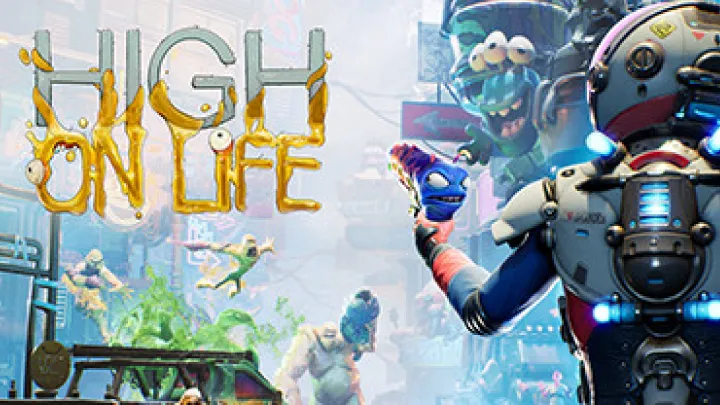
High on Life, developed by Squanch Games and created by Justin Roiland, offers a distinctive blend of humor, absurdity, and engaging gameplay that invites players into a vibrant alien world. Beyond its colorful visuals and outrageous characters, the game intertwines a satirical narrative that critiques various aspects of society, including consumerism, entertainment culture, and existential dilemmas. This article delves deeply into the specific issue of humor and satire in High on Life, examining how the game leverages comedic elements to explore complex themes about identity, purpose, and the human condition. By analyzing the narrative structure, character interactions, and gameplay mechanics, we can understand how High on Life successfully utilizes humor to provide social commentary while keeping players entertained.
The Setting: A Whimsical Alien Universe
Introduction to the World
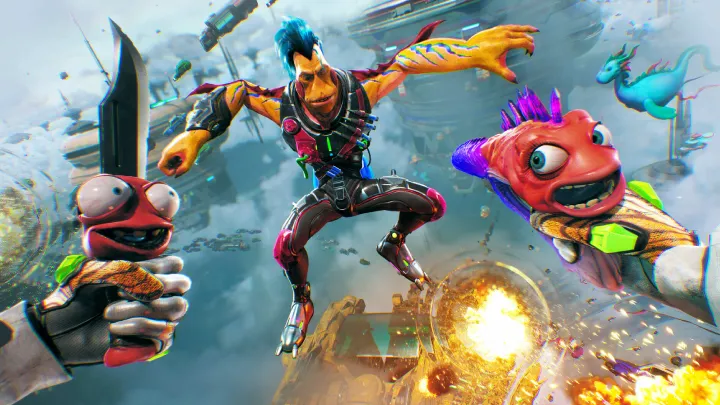
High on Life transports players to an exuberant alien universe teeming with quirky characters and outlandish landscapes. As players traverse this vibrant environment, they encounter a rich variety of alien species, each with its own idiosyncrasies and quirks. This whimsical backdrop sets the stage for the game's humor and allows for creative storytelling opportunities that highlight both the absurdity and relatability of the characters' experiences.
Infusion of Absurdity
The world-building in High on Life is characterized by exaggerated and surreal elements, from sentient guns that speak to their owners to the anthropomorphic aliens who permeate the landscape. This infusion of absurdity invites players to suspend disbelief and immerse themselves in a universe that plays by its own absurd rules. The comedic tone is reinforced by the game’s vibrant color palette and exaggerated art style, creating a visual experience that enhances the humor found in its storytelling.
Humor as a Narrative Device
The Role of Absurdist Humor
High on Life employs absurdist humor to address complex themes of identity and purpose. This form of humor often relies on illogic and surreal scenarios, effectively disarming players and making them more receptive to deeper explorations of their predicaments. By presenting outlandish situations with a straight face, the game fosters an environment where players can reflect on serious topics while still laughing at the absurdity around them.
Dialogue and Character Interactions
The dialogue in High on Life is a significant vehicle for humor. Characters are equipped with witty one-liners, puns, and meta-commentary that often break the fourth wall. The interactions between the player character and their sentient guns serve as prime examples of humor layered with deeper implications. For instance, the guns express existential concerns and reflect the player's journey, posing questions about purpose and existence while keeping the tone lighthearted.
Satire and Social Commentary
Critique of Consumerism
High on Life zeroes in on the rampant consumer culture prevalent in modern society. The game often pokes fun at the commercialization of everyday life, with various in-game shops and advertisements that parody real-world businesses. As players engage with these elements, they are prompted to reflect on their own consumer habits, often leading to moments of introspection amid the humorous chaos.
The Nature of Entertainment
The satire in High on Life also extends to the entertainment industry itself. By cartoonishly exaggerating popular media tropes—such as reality TV and blockbuster movies—the game critiques the ways in which society consumes and commodifies entertainment. This meta-commentary invites players to consider their own roles as consumers of media and the implications of their viewing habits.
Identity and Purpose: The Player’s Journey
The Protagonist’s Dilemma
At the heart of High on Life lies the protagonist’s struggle with identity and purpose. Players assume the role of a character who is thrust into an alien adventure without clear direction, echoing many real-life dilemmas faced by individuals today. This motif of searching for meaning resonates with players and is articulated through both dialogue and gameplay interactions.
Growth Through Absurdity
Throughout the game, as players navigate various alien worlds and engage with absurd scenarios, they inadvertently confront their own motivations and values. The protagonist’s interactions with quirky characters and surreal challenges encourage players to reflect on their journeys and question their definitions of success and fulfillment.
The Impact of Player Choice
Experimental Gameplay Mechanics
High on Life incorporates choices that impact gameplay experiences, further enhancing the satirical narrative. By allowing players to make decisions that lead to humorous outcomes, the game fosters a sense of agency while highlighting the absurdity of choices made in pursuit of success.
Consequences and Reflection
The choices players make often reflect not only on the gameplay but also on their character development. This adds an important layer of depth to the narrative, challenging players to consider the implications of their actions while still engaging in the lighthearted atmosphere of the game. The consequences of these choices contribute to the ongoing theme of identity, prompting players to reflect on personal growth and self-discovery.
Humor and Mental Health: A Delicate Balance
Addressing Serious Themes
High on Life skillfully balances humor with serious themes, including mental health struggles and existential crises. The absurdity of certain scenarios juxtaposes the weight of these themes, ultimately promoting a message of resilience and self-acceptance.
Laughing at Anxiety
Humor serves as a coping mechanism within the game, illustrating that laughter can make difficult conversations about mental health more approachable. By depicting characters who face their own insecurities and concerns while maintaining a comedic tone, High on Life encourages players to reflect on their challenges without stigmatizing the experience.
Character Design and Comedic Potential
Quirky Characters and Their Archetypes
The character design in High on Life contributes significantly to the game’s comedic value. Quirky character archetypes, from over-the-top villains to lovable sidekicks, provide fertile ground for humor while allowing for exaggerated portrayals of societal norms and stereotypes.
Creating Relatable Humor
Despite the outlandish nature of the characters, there exists a relatable quality among them. The characters’ vulnerabilities, desires, and quirks resonate with players, making it easier to connect with their journeys. This connection allows players to engage with the humor on a personal level, deepening their emotional investment in the story.
Visual and Auditory Expression of Humor
Artistic Style and Visual Gags
The visual design of High on Life enhances the overall comedic experience. Bright colors and exaggerated animations contribute to the whimsical tone, while visual gags pepper the gameplay with laughter. Players encounter amusing Easter eggs and playful details that invite them to appreciate the absurdity of the world around them.
Sound Design and Comedic Timing
The game's sound design plays an essential role in delivering humor. Voice acting, sound effects, and musical cues heighten comedic moments and enhance the timing of jokes. The combination of a well-timed punchline accompanied by the right auditory cues solidifies the humorous impact of the overall experience.
Conclusion
High on Life offers more than just a comedic romp through an alien world; it serves as a profound exploration of existential themes wrapped in absurdity and satire. Through its vibrant setting, engaging character interactions, and rich humor, the game invites players to reflect on their own identities, choices, and roles within a consumer-driven society. By deftly balancing humor with serious themes such as mental health, consumerism, and the search for purpose, High on Life emerges as not only an entertaining experience but also a thought-provoking commentary on the human condition. The game reminds us that laughter can coexist with reflection, allowing players to engage meaningfully with its messaging while reveling in the hilarity of its universe.