




Introduction
Little Nightmares II is visually stunning and emotionally heavy, but it is also mechanically demanding. Many players believe it is only about atmosphere and storytelling, but beneath the surface lies a complex layer of movement precision, puzzle logic, stealth strategy, and emotional timing. A good understanding of the game’s deeper systems can dramatically improve your survival rate.
This guide provides a complete set of tips across ten detailed sections. It explains how to handle enemies, how to navigate difficult areas, how to interpret the environment, and how to understand the game’s emotional signals. Whether you are a new player or returning for a second run, these tips will help you move through every chapter with more confidence.
- Mastering Movement And Timing
- Movement is the foundation of Little Nightmares II. Mono is small, quick, and fragile, and nearly every challenge depends on how you position yourself. The game does not explain its movement depth, so players must learn by experience. Running, sliding, crouching, and climbing all function with a soft delay, forcing you to anticipate danger rather than react to it.
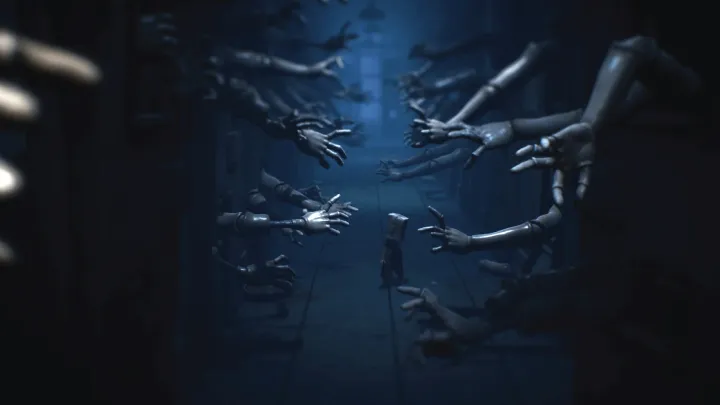 The most effective movement strategy is to learn the timing windows. For example, Mono’s slide has a few frames of invulnerability that allow him to dodge incoming attacks like the Teacher’s ruler or the Hunter’s grab. Meanwhile, crouching reduces noise and visibility, making it essential in stealth areas.
Players should also practice using diagonals. Moving at slight angles helps Mono bypass obstacles, outrun enemies, and reposition faster than straight-line movement. This subtle movement trick becomes invaluable in crowded rooms.
To survive consistently, you must play several steps ahead. Every run, climb, or slide should be planned before it begins. Awareness and prediction matter far more than reaction speed.
- Understanding Environmental Language
- The game communicates its challenges through visual hints rather than instructions. Players who learn to read the environment can solve puzzles and predict enemy behavior before danger arrives. These visual clues often appear in object placement, lighting, sound design, and texture patterns.
For example, rooms with loose boards or uneven flooring usually hide traps or collapsible surfaces. If a television stands alone in the center of a room, it is likely tied to a puzzle or a scripted escape. Flickering lights often signal enemy patrol patterns or movement paths.
Environmental storytelling also provides hints about safe routes. Dark corners usually offer cover. Soft carpets reduce footsteps. Objects placed at the front of a room typically indicate interactive elements, while background objects are rarely functional.
Treat every scene like a message. The world speaks, and your survival depends on how well you listen.
- Stealth Techniques For Avoiding Detection
- Stealth is essential in most chapters. Avoiding enemies entirely is often easier than confronting danger through timing-based escape sequences. To master stealth, players must balance movement, noise, and visibility.
- Mono’s footsteps vary depending on the surface. Wood creaks loudly, metal echoes, and carpet is almost silent. A common mistake is sprinting across loud surfaces. Instead, players should walk or crouch when close to enemies.
Line of sight also matters. The Teacher, for instance, detects horizontal movement quickly but struggles to notice vertical shifts, making hiding under desks or climbing shelves extremely effective.
Finally, spacing is key. Do not stay too close to Six during stealth segments; her AI movement can inadvertently reveal your position. Give her room and allow her animations to play out naturally.
The core rule: move slow, stay low, and use the room to your advantage.
- Combat And Object Handling Tips
- Although combat is rare, the game introduces heavy objects that Mono can swing to break fragile enemies. These weapons are intentionally slow. Understanding their timing is essential. Start swings early, anticipate paths, and avoid panic swinging.
The effective technique is to lure enemies toward you. Let them commit to their movement, and strike before they reach full momentum. Patience wins more fights than aggression.
Object handling is also tied to puzzle mechanics. Players should always check whether a weapon can break a door, shatter glass, or hit switches. Many objects have secondary uses beyond combat.
Combat is not about brute force. It is about precision, rhythm, and exploiting enemy predictability.
- Navigation Strategies For Difficult Chapters
- Each chapter introduces unique navigation challenges. The forest emphasizes hiding, the school focuses on obstacle evasion, and the hospital pressures players with multi-angle threats. The key is adapting your navigation style to the chapter’s personality.
In the forest, stay close to natural cover—grass, logs, roots—and avoid open spaces. In the school, learn to anticipate enemy placement by sound alone; the bullies produce distinct clicking noises. In the hospital, keep your back against walls to better control the Patients’ movement.
Mono’s climb and grab mechanics also require timing. Jumping too early or too late can cause him to miss ledges, which is fatal in chase scenes. Practice holds and adjust to the character’s animation rhythm.
Think of navigation as a dance: smooth, intentional, and synchronized with the environment.
- Puzzle-Solving Mindset And Critical Observation
- Puzzles in Little Nightmares II are logic-based but emotionally framed. They are designed to feel intimidating, though the solution is often simple. The best approach is to break the environment down: identify what moves, what can be grabbed, what seems out of place, and what the level design suggests.
Lighting frequently highlights interactive objects. Sound changes when near puzzle elements. Visual framing subtly leads you toward solutions. For example, a spotlight will shine on a lever, or a corridor will guide your eyes toward a key object.
Players should also remember that Six acts as a hint system. She often looks at important objects or walks near puzzle elements. Do not ignore her behavior—she rarely moves randomly.
Approach puzzles with calm logic. Fear is the real obstacle.
- Emotional Cues And Narrative Signaling
- The game uses emotional signals to guide player behavior. Music shifts, ambient sound changes, and the characters’ animations tighten in tense moments. These cues often warn players of upcoming threats or suggest when to increase caution.
When the soundtrack becomes minimal and distant, the game usually prepares the player for a stealth sequence. Sharp violin spikes often indicate scripted danger moments or chase triggers.
Six’s body language also matters. She hesitates when danger is near and becomes more assertive when the path is safe. Her reactions act as a second sensory system for the player.
If you learn the emotional cues, you can anticipate danger before it appears, granting you a major survival advantage.
- Handling Boss Encounters With Strategy
- Boss encounters in Little Nightmares II are tests of awareness, timing, and environmental understanding rather than reflex battles. Each boss has unique mechanics that must be studied before attempting escape.
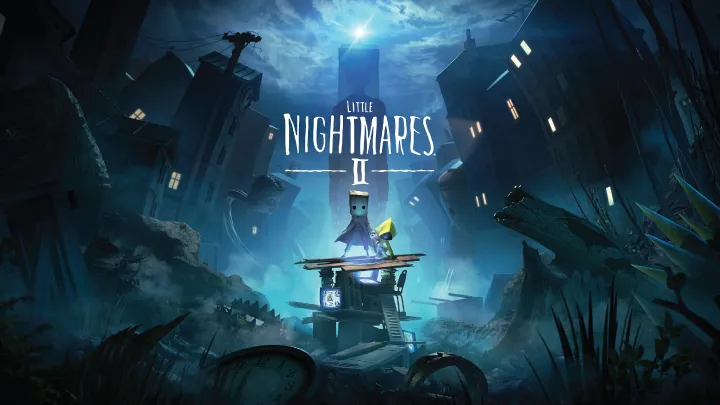 Against the Hunter, players must use cover smartly, listening for reload sounds to move safely. With the Teacher, the trick is predicting her neck movements; she always turns in specific sequences. The Doctor requires control of light positioning, making flashlight movement more important than running speed.
Bosses do not randomize. Their behaviors follow patterns. Studying these patterns makes difficult encounters manageable and even enjoyable.
A calm mind and observational thinking are far more effective than fast fingers.
- Managing High-Stress Sequences And Chase Scenes
- Chase scenes represent some of the most intense moments in the game. Many players struggle because they panic during key jumps or movement segments. The secret is understanding that chase sequences are designed with specific timing windows.
Do not outrun the designer. Follow the pace of the chase. If Mono enters a room too quickly, the animation may not align with escape options. Running in rhythm with the environment ensures smoother escapes.
You should also practice blind running. Many chase scenes require trusting the environment’s natural flow rather than hesitating. Landmarks, sound cues, and movement pathways guide you subconsciously.
Stay composed and let the environment lead you.
- Preparing For The Ending And Emotional Impact
- The final section of Little Nightmares II is not only mechanically challenging but emotionally heavy. Players must balance puzzle-solving with the stress of a collapsing environment.
- The key tip is to stay calm and memorize the layout. The final chase is all about timing jumps, grabbing ledges, and predicting movement patterns. Do not rush. Smooth, consistent motion works better than speed.
Emotionally, the ending can be overwhelming. Many players freeze or lose focus during the final scene due to its shock value. Preparing yourself mentally helps you execute the final inputs correctly.
The ending is not simply a story conclusion; it is a test of everything you have learned.
Conclusion
Little Nightmares II rewards players who observe, predict, and adapt. Every movement, puzzle, and enemy encounter has layers of depth hidden beneath fear and atmosphere. By mastering movement, reading environmental clues, using stealth efficiently, and understanding emotional cues, players can navigate the world with confidence. This guide provides the essential techniques that turn frustration into mastery, transforming the experience into something immersive, strategic, and deeply satisfying.