Perfect Potential, Imperfect Progression: How Coromon’s Stat Perfection System Reshapes Player Behavior
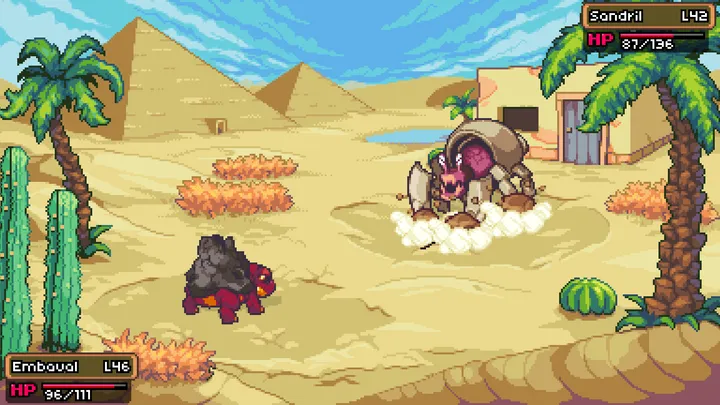
Coromon presents itself as a modern, respectful evolution of classic monster-collection RPGs. It offers thoughtful difficulty options, transparent systems, and a clear intention to give players control over how challenging and strategic their journey should be. Among these systems, one stands out as both innovative and controversial: the Potential system, particularly the pursuit of Perfect (100%) Potential Coromon.
On paper, this system solves a long-standing genre problem by making monster strength visible and measurable. In practice, however, it introduces a deep structural issue: the optimization pressure created by Perfect Potential fundamentally alters how players engage with exploration, team-building, and progression pacing. What begins as an optional layer of mastery gradually becomes a psychological bottleneck that reshapes the entire experience.
This article examines that issue in depth, tracing how Perfect Potential Coromon affect player decision-making over time, why the system unintentionally encourages grinding and restart behavior, and how it creates tension between accessibility and optimization in Coromon’s otherwise elegant design.
1. Understanding the Potential System in Coromon
The Potential system assigns each Coromon a percentage value that determines its maximum stat growth. Unlike hidden IV systems in similar games, Coromon makes this information explicit.
This transparency is one of Coromon’s greatest strengths—but also the source of the issue.
H3: What Potential Actually Represents
Potential influences how many stat points a Coromon can gain as it levels. A 100% Potential Coromon will always outperform a 70% one in the long term.
H4: From Information to Expectation
By showing players exact numbers, the game transforms possibility into expectation. Once players know perfection exists, many feel compelled to chase it.
2. Early Game: When Potential Feels Like a Bonus
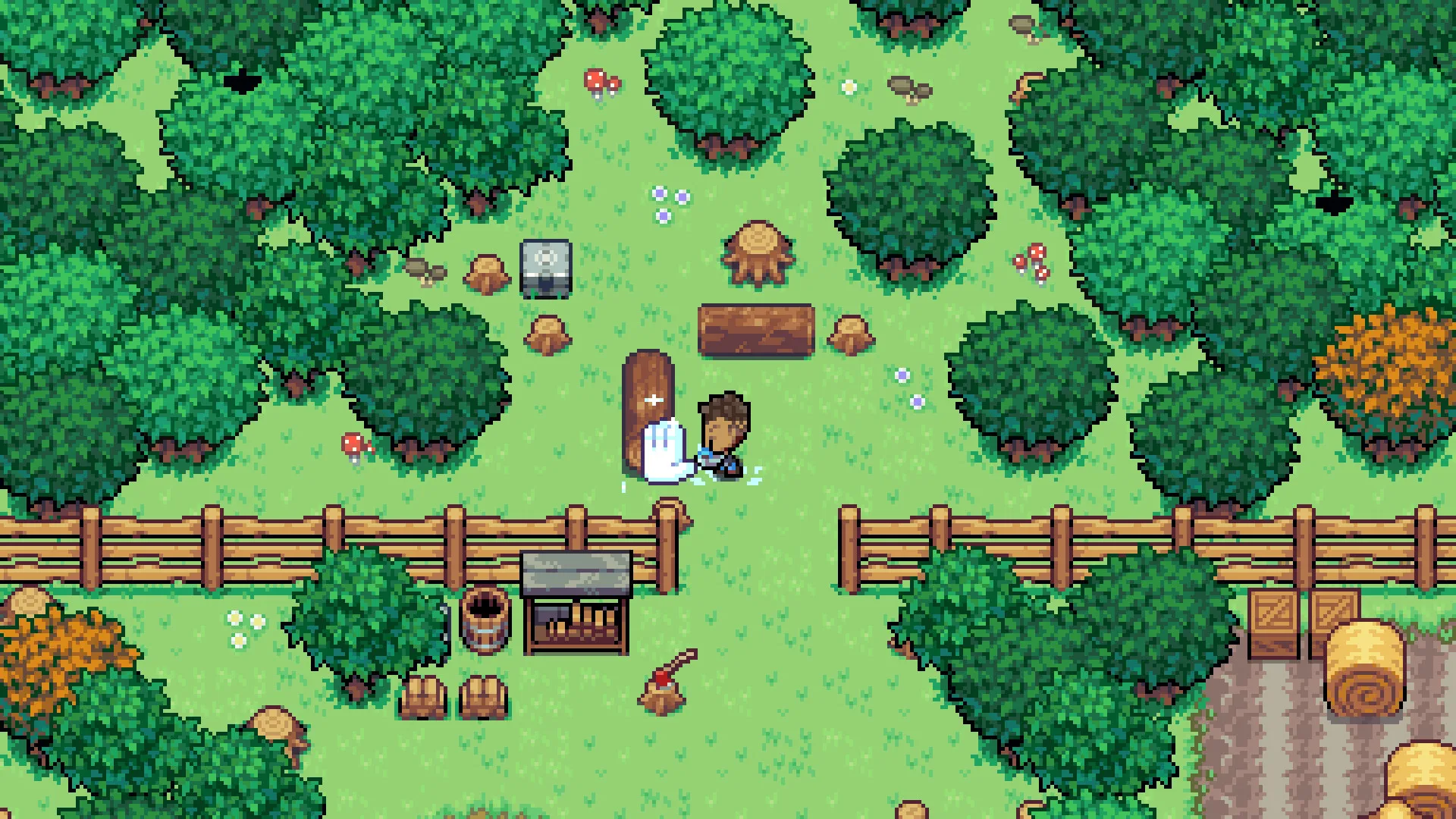
In the opening hours, the Potential system feels harmless and even exciting. Players catch Coromon, check their stats, and feel rewarded when they find one with high Potential.
At this stage, low Potential Coromon are still viable, and the game’s difficulty curve accommodates imperfect teams.
H3: Exploration Comes First
Players focus on:
- Learning types
- Understanding combat mechanics
- Enjoying the world
H4: Optional Optimization
Perfect Potential feels like a luxury, not a requirement—yet.
3. The Moment Awareness Turns into Pressure
The shift happens when players realize two things simultaneously:
- Perfect Potential Coromon exist
- They are strictly better in every measurable way
From this point on, catching a Coromon with mediocre Potential no longer feels neutral—it feels like a mistake.
H3: Knowledge as Burden
What was meant to empower players begins to limit them.
H4: Psychological Friction
Players start asking:
“Why invest time in something I know is suboptimal?”
4. Team Building Under the Shadow of Perfection
Coromon encourages experimentation with different team compositions, abilities, and strategies. However, the Potential system subtly undermines this.
H3: Reluctance to Commit
Players hesitate to:
- Level Coromon with low Potential
- Use skill cores on non-perfect units
- Form emotional attachment
H4: Disposable Monsters
Coromon become placeholders rather than companions until “the right one” is found.
5. Grinding vs Progression: A Structural Conflict
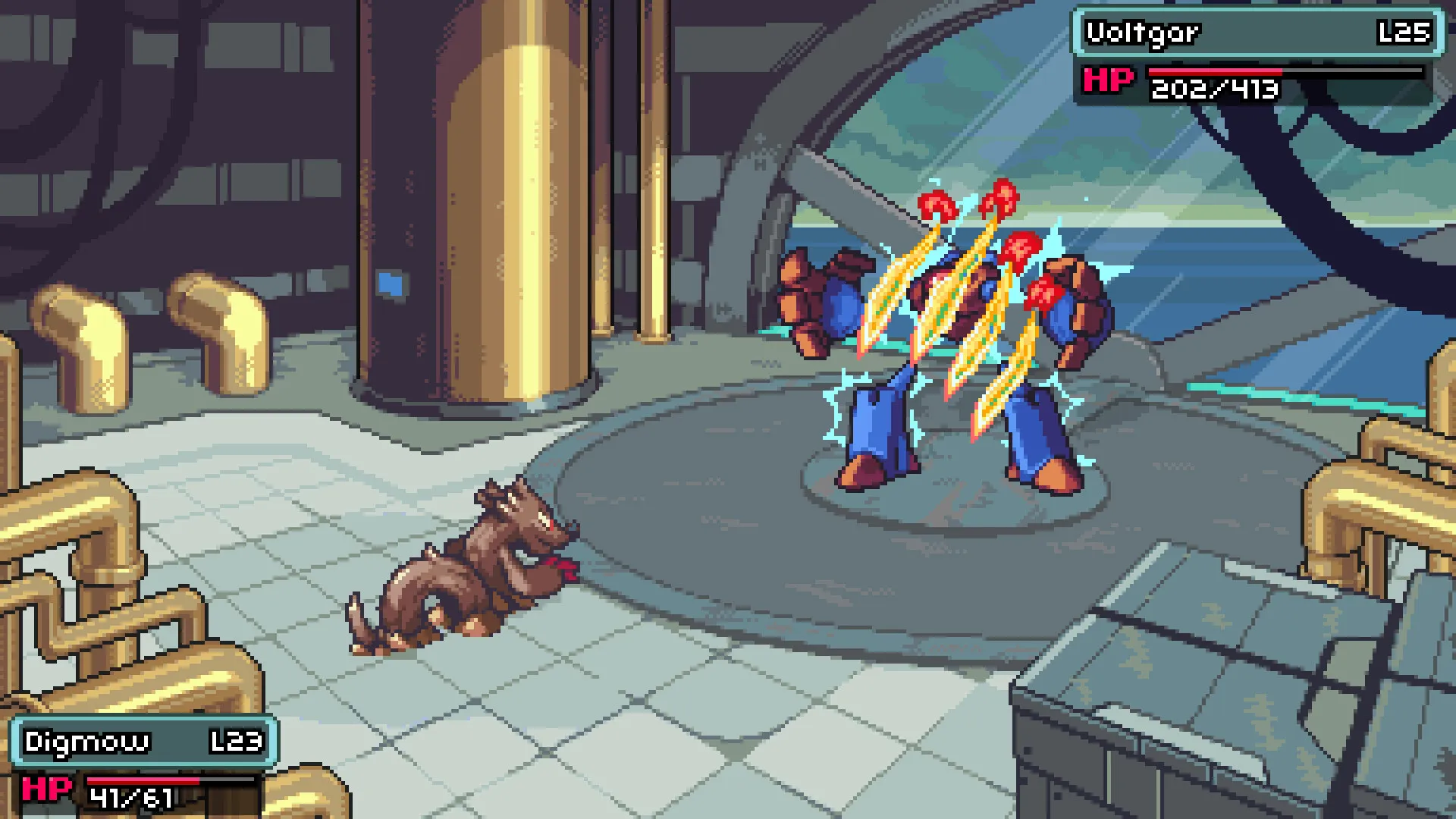
As the game progresses, the cost of replacing a Coromon increases. Levels matter more. Skills become more specialized. Team synergy deepens.
Yet this is precisely when players feel strongest pressure to restart hunts for Perfect Potential.
H3: The Optimization Trap
Players may:
- Repeatedly reset encounters
- Farm the same area for hours
- Delay story progression
H4: Pacing Breakdown
The narrative urges forward momentum, but the system incentivizes stagnation.
6. Difficulty Modes and the Illusion of Choice
Coromon offers multiple difficulty settings, including a fully customizable mode. In theory, this should alleviate optimization pressure.
In practice, Perfect Potential undermines this flexibility.
H3: Self-Imposed Difficulty
Even on lower difficulty:
- Players still want perfect stats
- Knowledge of suboptimal builds persists
H4: Difficulty Does Not Remove Expectation
Reducing challenge does not erase the awareness that better versions exist.
7. Late Game: When Perfect Potential Becomes Dominant
By the late game, Perfect or near-perfect Coromon significantly outperform average ones, especially in extended battles and competitive modes.
At this point, the system’s imbalance becomes more visible.
H3: Strategic Narrowing
Viable endgame teams increasingly resemble each other—not in composition, but in statistical perfection.
H4: Mastery vs Homogenization
Instead of diverse strategies, players converge on similar optimization paths.
8. Comparison to Hidden Stat Systems
Traditional monster RPGs often hide internal stat variance. Players know it exists but cannot measure it precisely.
Coromon breaks this tradition intentionally.
H3: Transparency’s Double Edge
Transparency removes frustration—but introduces obsession.
H4: The Cost of Certainty
When perfection is visible, imperfection feels unacceptable.
9. Player Behavior Patterns Created by the System
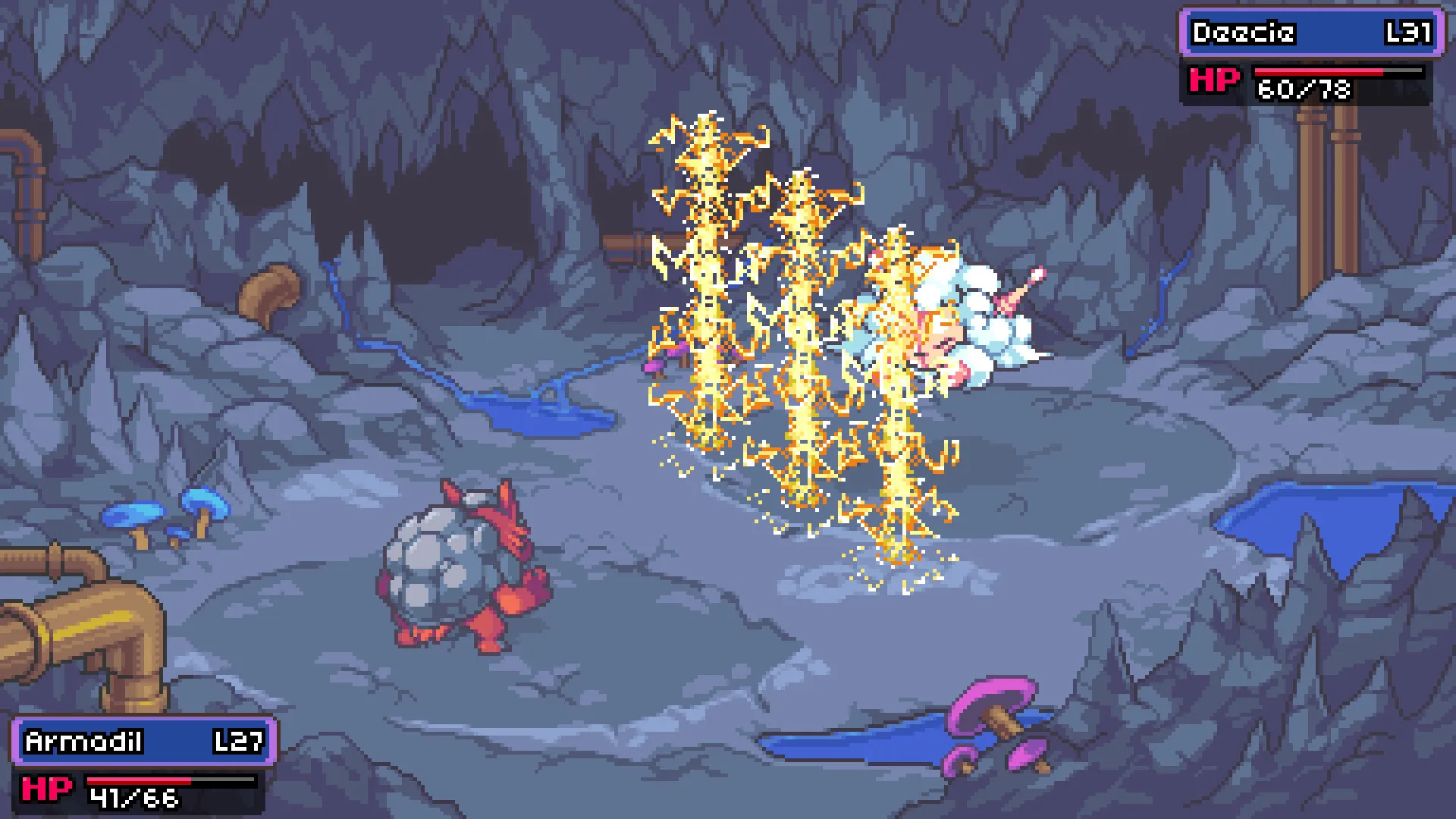
Over time, the Potential system creates predictable behavioral patterns.
H3: Common Player Responses
- Restarting routes to secure perfect starters
- Ignoring Coromon below a certain threshold
- Hoarding resources “until perfect”
- Viewing progress as temporary
H4: List – Emergent Behaviors
- Save scumming encounters
- Excessive early-game grinding
- Reduced emotional attachment
- Optimization-first mindset
These behaviors are not required—but they are strongly encouraged by system design.
10. The Core Issue: Optional Perfection That Isn’t Optional
The central issue is not that Perfect Potential exists, but that the system frames it as optional while structurally rewarding it at every level.
H3: Design Tension
Coromon wants to be:
- Accessible
- Strategic
- Player-driven
Yet the Potential system subtly prioritizes optimization over expression.
H4: Possible Design Alternatives
- Soft caps instead of hard percentages
- Diminishing returns past a threshold
- In-game normalization options
- Late-game stat equalization mechanics
These could preserve transparency without enforcing perfection.
Coromon is a thoughtfully designed game that clearly respects its players. Its Potential system is innovative, transparent, and well-intentioned. However, the pursuit of Perfect Potential Coromon introduces a structural issue that reshapes player behavior in unintended ways.
By making perfection visible and strictly superior, the game encourages grinding, delays progression, and weakens emotional attachment to creatures that are meant to feel like partners. What starts as an optional mastery layer gradually becomes a psychological obligation.
Coromon does not fail because of this system—but it does reveal how even transparent, player-friendly mechanics can create pressure when perfection is quantifiable. Understanding this tension is key to appreciating both the brilliance and the limitations of Coromon’s design.