.webp)







Ready or Not, developed by VOID Interactive, is a tactical first-person shooter that emphasizes realism in police operations. One of the most debated and defining aspects of the game is its hostage rescue mechanics. Far from being a simple objective, hostages in Ready or Not embody the tension between realism, ethics, and gameplay design. This article explores the evolution of hostage mechanics, their impact on tactical planning, and the controversies they have sparked, structured across ten sections to provide a deep, chronological analysis.
Early Implementation of Hostage Mechanics
At launch, hostages were static NPCs placed in predictable locations. They served as objectives rather than dynamic participants.
Players quickly noticed hostages lacked behavioral depth. They didn’t react to gunfire or panic realistically, which made them feel more like props than living characters.
Community Feedback and Demands
As the player base grew, forums and reviews highlighted dissatisfaction. Many argued static hostages undermined the realism VOID Interactive promised.
Players demanded hostages who could panic, flee, or resist rescue. This feedback became a catalyst for change.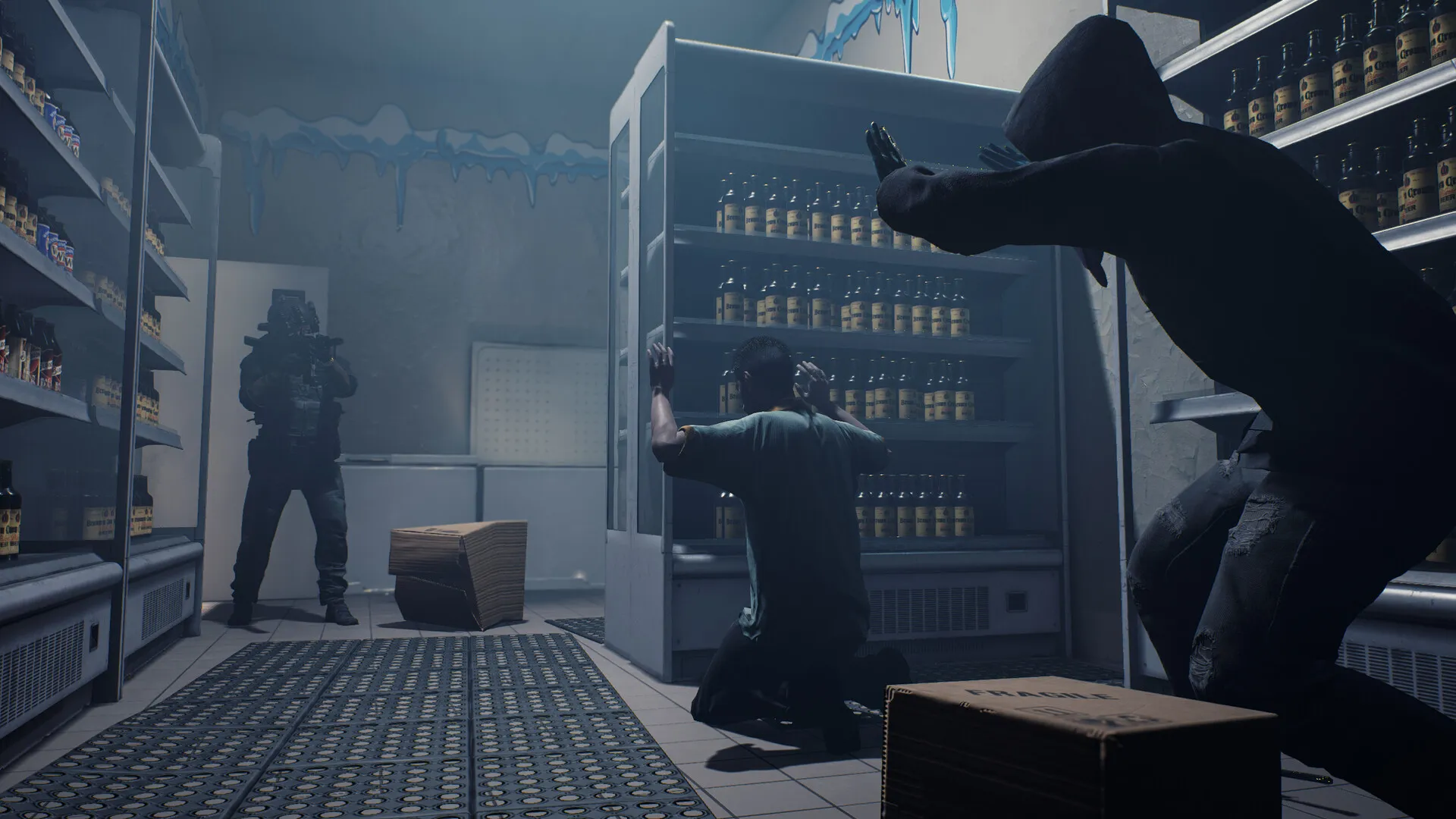
Introduction of Dynamic Hostage AI
VOID Interactive responded by introducing dynamic hostage AI. Hostages began to crouch, cry, or attempt escape during firefights. This unpredictability forced players to adapt strategies mid-mission.
However, dynamic AI also introduced frustration. Hostages sometimes ran into crossfire or triggered traps, punishing players for factors beyond their control.
Balancing Realism and Accessibility
Dynamic AI sparked debates. Hardcore players praised realism, while casual players found mechanics punishing.
This tension reflected a broader dilemma: should the game prioritize simulation accuracy or accessibility?
Impact on Tactical Planning
Hostage mechanics reshaped tactical planning. Teams had to secure hostages early, use non-lethal weapons, and coordinate movements carefully.
Communication became vital. Ignoring hostages often led to mission failure, reinforcing the need for teamwork.
Ethical Considerations in Hostage Scenarios
Beyond gameplay, hostage mechanics raised ethical questions. Should accidental deaths be penalized harshly? How should trauma be represented respectfully?
Critics worried about trivializing sensitive scenarios. Developers emphasized respectful representation, but debates continue.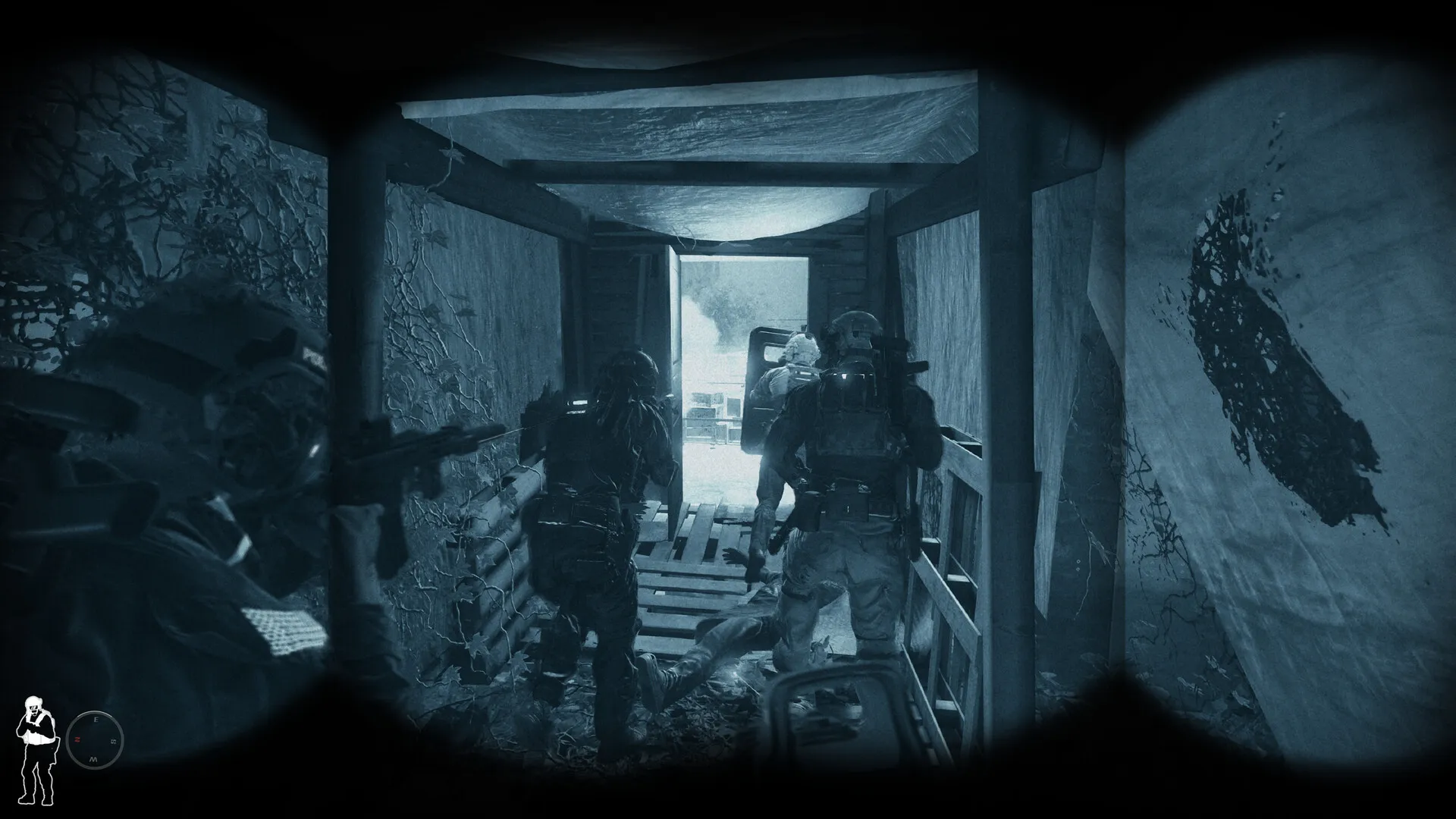
Technical Challenges in AI Development
Creating believable hostage AI posed technical hurdles. Pathfinding issues led hostages to behave erratically, undermining immersion.
VOID Interactive refined AI algorithms for contextual awareness, but limitations remain.
Comparisons with Other Tactical Shooters
Hostage mechanics invite comparisons with SWAT 4. That game’s hostages were predictable but stable, while Ready or Not aimed higher with dynamic AI.
Players often measure new games against nostalgic benchmarks, raising expectations that are difficult to meet.
Future Directions and Developer Roadmap
VOID Interactive plans further refinements: improved pathfinding, expanded emotional responses, and varied scenarios.
Negotiation mechanics may be introduced, adding narrative depth and strategic variety.
Player Strategies and Adaptations
Players adapted by favoring non-lethal weapons and prioritizing hostage safety. Teams often secure hostages before engaging enemies, mirroring real-world tactics.
These adaptations show how mechanics shape behavior, encouraging caution and coordination.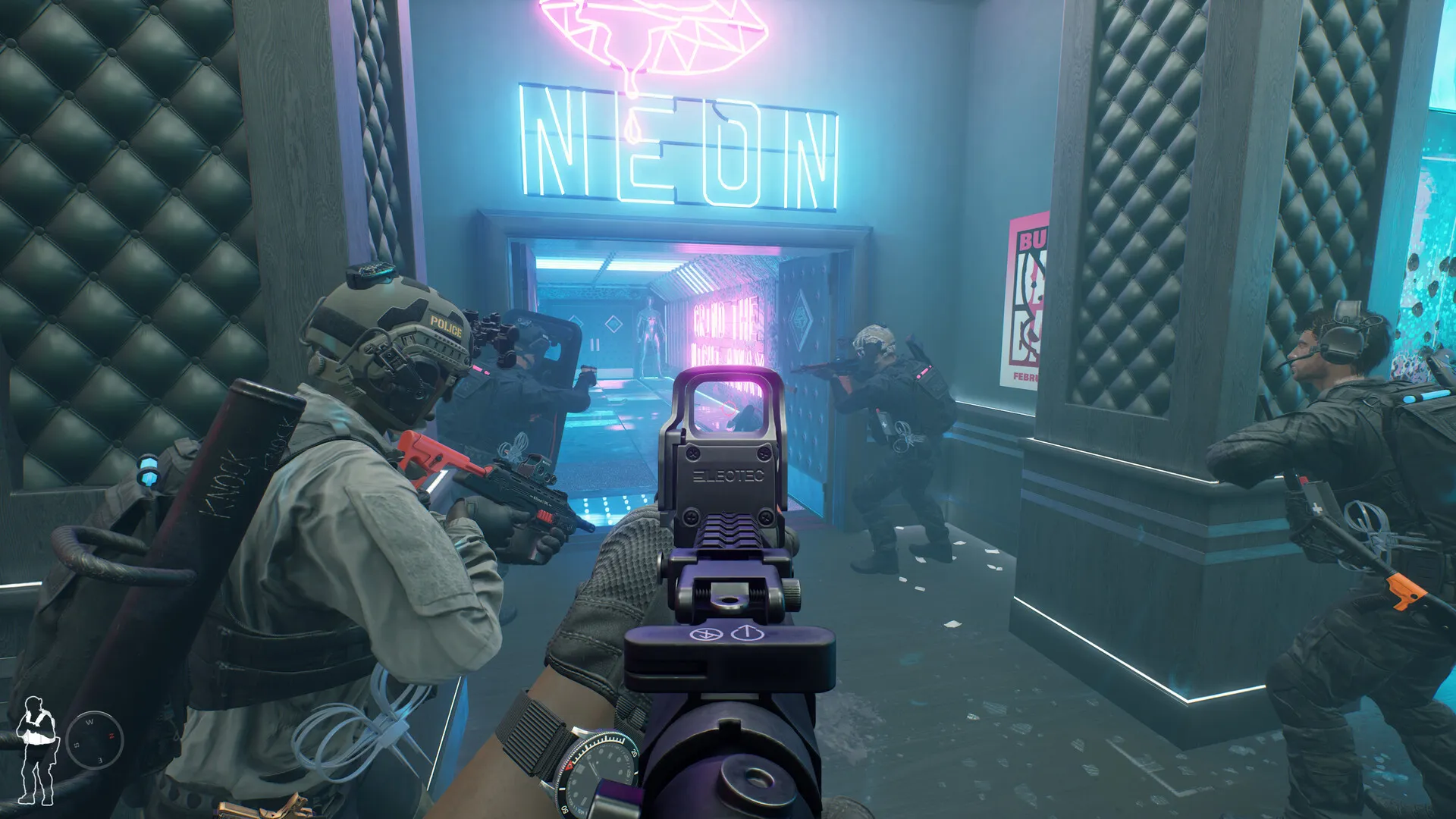
Conclusion
Ready or Not’s hostage rescue mechanics represent both innovation and controversy. From static NPCs to dynamic AI, they reshaped gameplay, sparked debates about realism, and raised ethical questions. While technical challenges persist, they have deepened tactical planning and immersion. As VOID Interactive continues refining these systems, hostage scenarios will remain central to the game’s identity, embodying the tension between simulation and accessibility.