

The landscape of independent gaming is often defined by sudden, earth-shaking phenomena that seemingly appear out of nowhere to challenge the hegemony of multi-billion dollar corporations. In 2025, that phenomenon was Schedule I. Developed by a then-unknown Australian developer under the name TVGS (Tyler’s Video Game Studio), this open-world crime and management simulator didn’t just enter the market—it detonated within it. Blending the gritty, high-stakes fantasy of Breaking Bad with the surprisingly "cozy" mechanical loop of modern management sims, Schedule I has spent the last year shattering records, sparking legal debates, and fostering one of the most dedicated communities in the digital age. This article provides a comprehensive news retrospective of the game’s journey from a solo-dev passion project to a global industry titan as of March 2026.
1. The First Seed: August 2024 Announcement and Early Vision
The news regarding Schedule I first trickled out in the late summer of 2024, when a series of cryptic dev-logs appeared on Reddit and indie forums. At the time, Tyler—the solo architect behind TVGS—pitched a game that promised a "realistic yet comedic" take on the narcotics trade in the fictional, rain-slicked city of Hyland Point. Early news coverage from niche indie blogs focused on the game's unique aesthetic: a lanky, low-poly art style that felt like a fever dream version of an Adult Swim cartoon. It was a visual choice born of necessity for a solo developer, but one that would eventually become the game’s most recognizable trademark.
During this initial reveal period, the news was centered on the "chemical simulation" aspect of the game. Tyler promised a system where players wouldn't just sell generic icons but would actually "cook" products using step-by-step minigames. From adjusting the temperature of a meth lab to choosing the specific cut for a batch of cocaine, the level of granular detail was unprecedented. While some skeptics questioned the "edginess" of the premise, the news cycle was largely supportive, noting that the game appeared to be more of a complex economic sim than a mindless glorification of crime.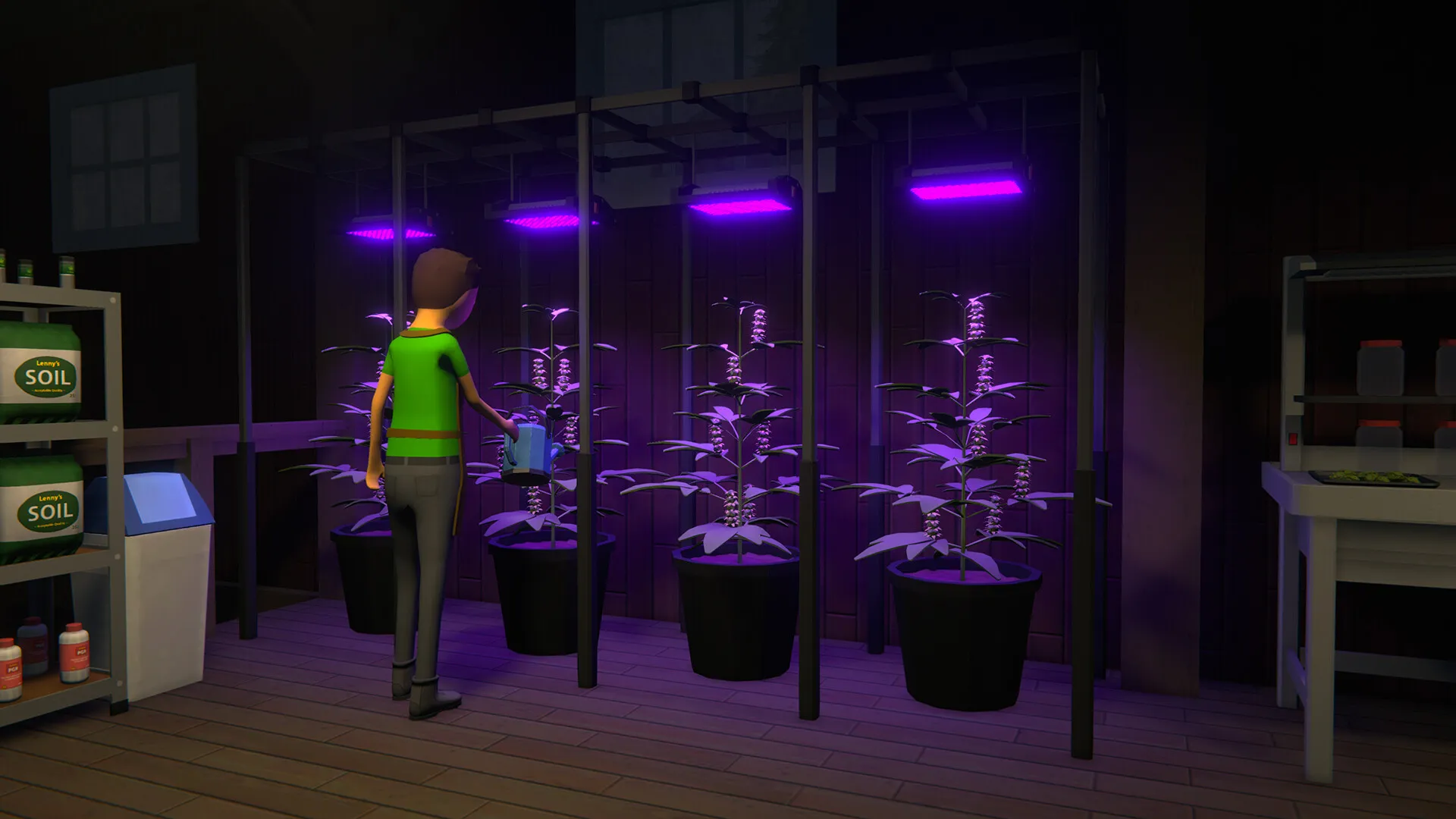
2. The "Free Sample" Phenomenon: December 2024 Demo Viral Hit
If the announcement was the seed, the December 2024 demo was the nutrient-rich soil that allowed Schedule I to explode. Titled the "Free Sample," this demo was released during a Steam Next Fest and quickly became the most-played trial in the event's history. News reports from early January 2025 detailed how the demo's 16-minute gameplay loop—which allowed players to establish a small-time marijuana grow-op in a dusty RV—was being shared millions of times on TikTok and Twitch.
H3: The Power of Influencer Marketing
The "Free Sample" news cycle highlighted a major shift in how indie games find their audience.
- Streamer Synergy: Popular creators found that the game’s physics-based interaction (like physically placing baggies in a customer's hand) created hilarious moments for live audiences.
- Organic Growth: Without a marketing budget, the game relied entirely on the "Free Sample" becoming a viral challenge.
- Player Feedback: The demo wasn't just a marketing tool; news from the Steam forums showed Tyler was using it to fix hundreds of bugs in real-time, building a rapport with the burgeoning fanbase.
3. A High-Octane Launch: March 2025 and the Steam Chart Takeover
On March 24, 2025, Schedule I officially launched into Steam Early Access at a modest price point of $20. The ensuing news was nothing short of historic. Within 24 hours, the game had reached a peak concurrent player count of over 450,000, surpassing established giants like Grand Theft Auto V, Monster Hunter Wilds, and Marvel Rivals. It was the top-selling paid game on the platform for three consecutive weeks, a feat rarely achieved by a solo-developed project.
The news analysis of the launch focused on the "why." Why did this specific game resonate so deeply? Critics from IGN and PC Gamer noted that while the subject matter was dark, the gameplay was "surprisingly cozy." The rhythm of planting, watering, harvesting, and packaging created a "zen-like" flow-state similar to PowerWash Simulator or Stardew Valley. This juxtaposition—the wholesome feeling of a well-run business applied to a high-stakes criminal enterprise—became the core of the Schedule I news narrative.
4. The Drug Dealer Rivalry: April 2025 Controversy and Legal Tensions
Success often brings scrutiny, and by April 2025, Schedule I was at the center of a major industry news story. Movie Games, the developers of the Drug Dealer Simulator (DDS) franchise, launched a public investigation into whether TVGS had infringed on their intellectual property. The news was filled with speculation of a "War of the Sims," as both games shared similar core themes and mechanics. This period of the news cycle was tense, with fans of both franchises taking sides on social media.
H4: Resolution and Press Release
- The Verdict: After a week of investigation, Movie Games issued a press release stating that while the games shared a genre, no intellectual property had been stolen.
- The "Beef" Benefit: Ironically, the news of the potential lawsuit only increased the game’s visibility.
- Collaboration Rumors: By late April, the tension had cooled to the point that rumors of a potential crossover "rivalry" update began to circulate, though these were never officially confirmed.
5. Refining the Product: Early Access Polish and v0.3.x Updates
Following the chaotic launch and controversy, the news regarding Schedule I shifted toward the "Update Grind." Tyler, still working primarily alone at this point, released a series of rapid-fire patches (v0.3.1 through v0.3.6) that addressed the "jank" common in early access titles. News of these updates focused on the "Quality of Life" improvements, such as a rebuilt save system, better NPC pathing in the crowded Hyland Point streets, and the introduction of "Filters" for the game's complex inventory management.
In May 2025, a significant news beat arrived with the "Stash & Dash" update. This introduced a new mechanic where players could rent storage units across the city to act as distribution hubs. This shifted the gameplay from "small-time dealer" to "logistics manager," a change that was met with overwhelming praise. News outlets noted that TVGS was remarkably responsive to the community, often implementing features suggested in the Steam forums within mere days of them being posted.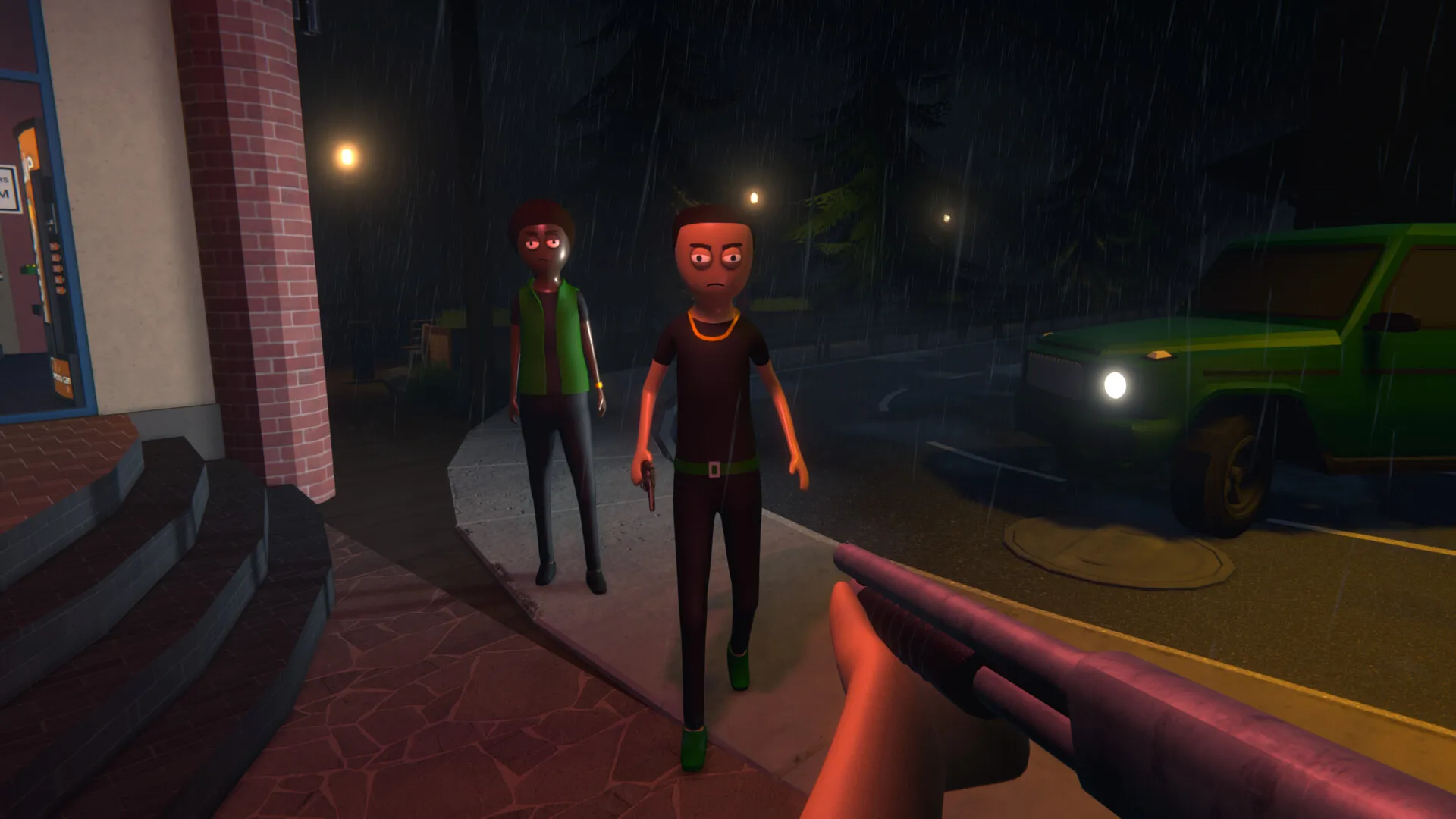
6. The Benzies Move In: August 2025 and the "Major Cartel" Expansion
The biggest content news of 2025 arrived in late August with the launch of v0.4.0: The Cartel Update. This update introduced the Benzies family, the first dynamic rival faction in the game. Unlike the standard police threat, the Benzies would actively sabotage the player’s operations, steal stashes, and "tag" the player’s territory with their own graffiti. The news regarding this update was massive, as it added a layer of tactical strategy to the existing management loop.
H3: Territorial Warfare and the Graffiti System
The Cartel Update news highlights included:
- Influence Maps: A new UI layer that showed which parts of Hyland Point were under player control.
- Graffiti Mechanics: Players could buy spray paint at Gas Marts to overwrite Benzies tags, reducing rival influence and earning XP.
- Hyland Range: A new shooting range location where players could practice with the game’s expanded weapon roster.
This update effectively doubled the game's scope. News reports from this period estimated that Schedule I had generated between $60 million and $125 million in revenue, allowing Tyler to begin looking beyond his solo-dev roots.
7. Tripping into Winter: December 2025 and the Magic Mushroom Update
As the year drew to a close, the news focused on the game's most psychedelic expansion yet: the Shrooms Update (v0.4.2). Released on December 26, 2025, this update added psilocybin mushrooms to the list of growable substances. Unlike marijuana or meth, shrooms were grown in specialized "storage closets" and required precise moisture and light levels. The news surrounding this update was filled with screenshots of the "visual trips" players would experience when testing their own product, which included color-shifting hair and gravity-bending environmental effects.
The Shrooms update also introduced a "Blackjack" minigame in the local bars, which became a viral news story in itself. Players discovered that they could influence the outcome of the games using certain substances, leading to a new meta-game of "Casino Heists." This whimsical, almost surrealist approach to crime mechanics further separated Schedule I from the more dour, realistic simulators on the market.
8. From Solo Dev to Studio: January 2026 and the TVGS Expansion
January 2026 marked a pivotal turning point in the corporate news for Schedule I. Tyler officially announced that TVGS (Tyler’s Video Game Studio) was no longer a one-man operation. The news of the studio's expansion included the opening of a physical office in Sydney, Australia, and the hiring of a new lead developer named Rob. Tyler’s dev-blog, which was widely shared by news outlets like VICE and Rock Paper Shotgun, was a heartfelt thank you to the fans who had enabled his hobby to become a full-scale career.
H4: The Hiring Spree and Infrastructure
- New Blood: The addition of a 3D/Technical Artist was announced to help refine the game’s visuals.
- Codebase Cleanup: News from mid-January indicated that the team was spending a full month purely on "cleaning up the codebase" to prepare for even larger updates in the future.
- Studio Culture: Tyler emphasized a "no-crunch" policy, a significant piece of news in an industry that had recently seen massive layoffs and burnout at larger studios.
9. The Perfect Storm: March 2026 Weather Update and System Overhaul
On March 19, 2026, the team released v0.4.4: The Weather Update. This was the first major update produced by the expanded TVGS team, and the news reflected a noticeable jump in technical quality. The update introduced a dynamic weather system—including heavy rain, fog, and lightning—that didn't just look pretty but fundamentally changed the gameplay. For example, the news highlighted a "Rainy Bonus," where players earned more money for completing deals during storms due to the increased risk and inconvenience.
The Weather Update news also detailed a complete rebuild of the game's Day/Night Cycle and the settings menu. The "sentry behavior" of the police was overhauled, making them more predictable but also more dangerous in groups. Perhaps most importantly, the update included massive performance optimizations, with many players reporting a 10% increase in FPS. This news was seen as a "coming of age" moment for the game, proving that the addition of new staff was already paying dividends in terms of polish and stability.
10. The Road Ahead: 2026 Roadmap, Console Hopes, and Global Legacy
As we look toward the remainder of 2026, the news for Schedule I is focused on the future. The current "Trello Roadmap" includes highly anticipated features like Parkour mechanics, a "Jukebox" system for custom music, and full Steam Deck Verification. News of a potential console port for PlayStation 5 and Xbox Series X continues to be a hot topic, though TVGS has stated they are focusing on finishing the Early Access campaign before making the jump to other platforms.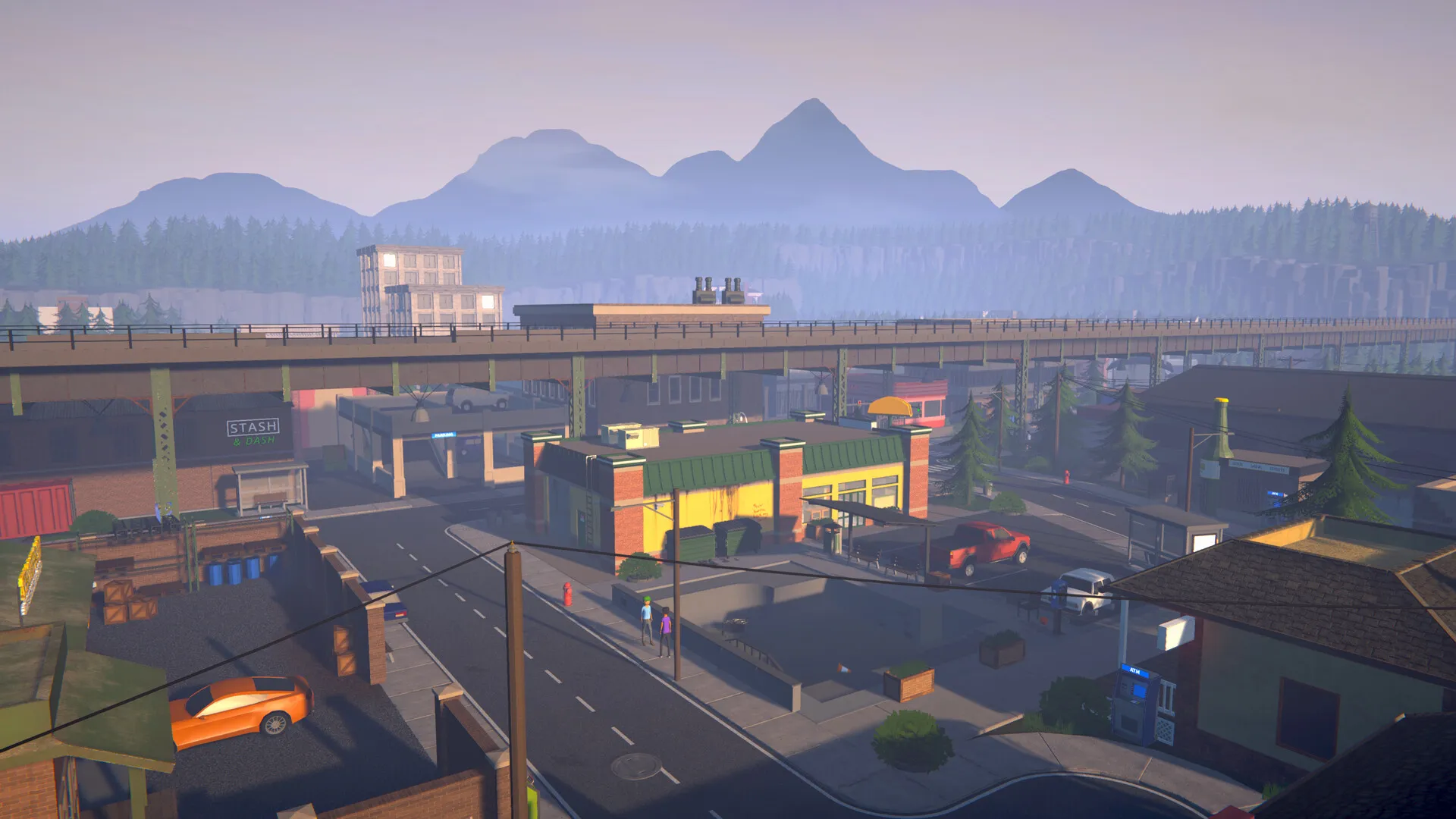
Key Future Milestones
- Mod Support: The team is currently rebuilding core systems to be "mod-friendly" from the ground up.
- The Final Mission: Rumors suggest a massive "ending" update involving a final showdown with the Benzies cartel.
- Multiplayer Expansion: News of a dedicated "Co-Op" server browser is expected later this year.
The legacy of Schedule I in 2026 is one of inspiration. It stands as a testament to the fact that a single person with a weird, specific vision can still conquer the global charts if they listen to their community and focus on the "fun" in the fundamental. From its modest roots in an Australian bedroom to its current status as a multi-million dollar studio project, the news of Schedule I is a story that the gaming industry will be telling for a long time to come.
Conclusion
The chronicle of Schedule I is more than just a list of sales figures and patch notes; it is the story of a cultural shift in the indie scene. Across ten distinct chapters, we have seen the game grow from a low-poly experiment into a feature-dense masterpiece of simulation. It successfully navigated the treacherous waters of legal controversy, technical debt, and the pressures of viral fame to emerge as a benchmark for the "cozy crime" genre. As of March 2026, Hyland Point feels more alive than ever, and with the transition of TVGS into a full-scale studio, the future of this digital empire seems limited only by the developer's imagination. Schedule I has proved that sometimes, the most addictive thing about a game isn't the subject matter, but the passion of the people building it.