.webp)






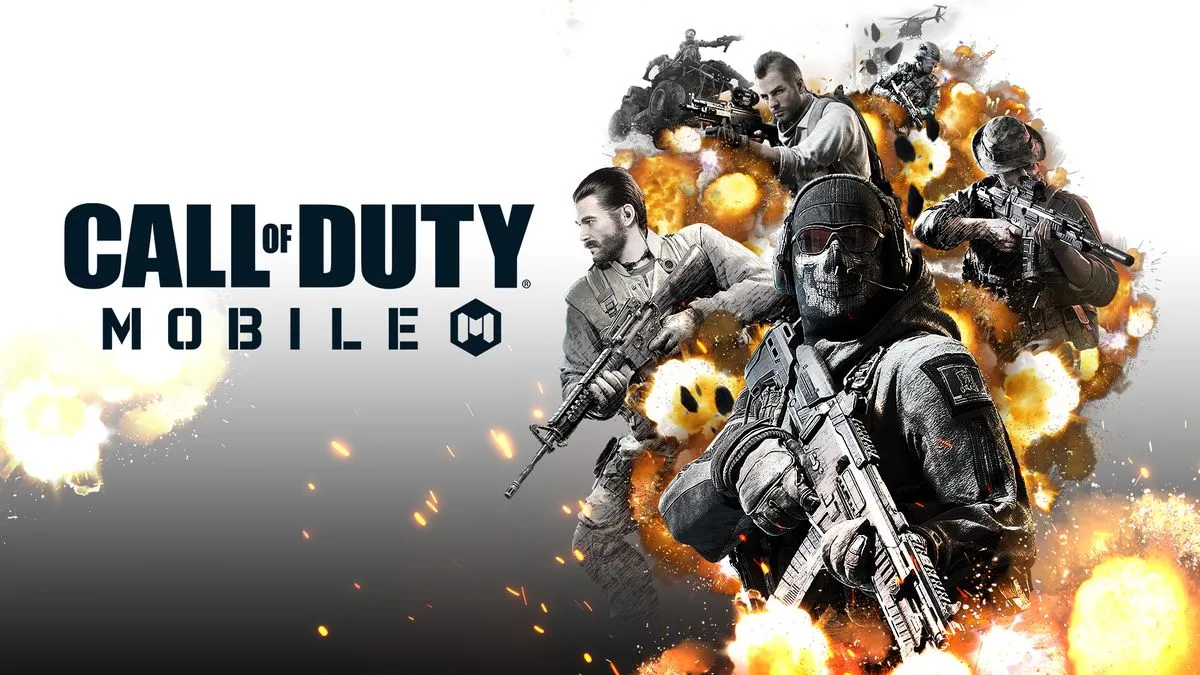
Call of Duty Mobile has remained one of the most successful first-person shooters on mobile platforms, not because it perfectly recreates the console experience, but because it compresses the essence of Call of Duty into fast, accessible matches. Ranked Multiplayer, in particular, is marketed as the purest competitive environment in the game. However, over time, a specific issue has become increasingly difficult to ignore: the interaction between skill-based matchmaking (SBMM), server desynchronization (desync), and unstable latency.
This article does not discuss Call of Duty Mobile in general terms. Instead, it focuses on how SBMM magnifies desync problems in Ranked mode, how this combination damages competitive fairness over time, and why many high-skill players experience burnout despite consistent performance. The issue is not simply “bad servers” or “sweaty lobbies,” but a structural conflict between matchmaking logic and technical limitations.
1. The Early Ranked Experience And The Illusion Of Fairness
In the early stages of Ranked Multiplayer, the system feels fair and rewarding. Players climb from Rookie to Elite tiers with minimal friction, and gunfights appear responsive and predictable. At this stage, SBMM works quietly in the background, grouping players of similar mechanical skill and basic game knowledge.
During these early ranks, desync exists but remains mostly invisible. Small delays in hit registration are masked by lower player accuracy and slower decision-making. Even when latency fluctuates, players rarely notice because mistakes can be attributed to positioning or aim rather than server behavior.
This phase creates an illusion that Ranked mode is technically stable. Players begin to trust the system, assuming that future difficulty will come from better opponents rather than technical inconsistencies.
 2. Understanding SBMM In Call Of Duty Mobile Ranked
Skill-based matchmaking in Call of Duty Mobile evaluates more than just win rate. It factors in kill-death ratio, score per minute, objective participation, accuracy, and recent match performance. As players improve, SBMM tightens the matchmaking pool.
At higher ranks, SBMM prioritizes skill similarity over connection quality. This means players are more likely to be matched with opponents across regions if their performance metrics align. While this improves skill parity, it increases average latency within matches.
The problem is not SBMM itself, but its prioritization logic. When skill similarity outweighs ping stability, desync becomes more frequent and more noticeable, especially in fast-paced gunfights where milliseconds matter.
3. How Desync Actually Manifests In Ranked Matches
Desync in Call of Duty Mobile rarely appears as obvious lag spikes. Instead, it manifests subtly, making it harder to diagnose and more frustrating to endure.
Common desync symptoms include:
- Dying after reaching cover
- Losing gunfights despite firing first
- Enemies appearing to pre-fire corners
- Hit markers not converting into kills
- Inconsistent time-to-kill between matches
These issues are not constant. They fluctuate from match to match, which creates the perception of randomness. In Ranked mode, where consistency is critical, this unpredictability undermines competitive integrity.
4. The Mid-Rank Transition Where Problems Begin
As players reach Pro and Master tiers, SBMM becomes significantly more aggressive. Matches become tighter, reaction times shorten, and player accuracy increases across the board.
At this point, desync becomes impossible to ignore. Because players are evenly matched, any technical disadvantage becomes decisive. A single delayed hit registration can cost a hardpoint rotation or a search-and-destroy round.
This is where many players begin to feel that Ranked is no longer about improvement, but adaptation to server behavior. Skill expression shifts from strategy and mechanics toward learning how to “play around” desync.
5. High-Rank Play And The Illusion Of Enemy Skill
In Grandmaster and Legendary ranks, desync often disguises itself as enemy superiority. Players assume opponents have faster reactions or better aim, when in reality the server is resolving actions out of order.
In these lobbies, SBMM creates extremely narrow skill margins. This means even a 30–50 ms delay can flip the outcome of engagements. The result is a distorted perception of skill, where players feel outplayed despite making correct decisions.
Over time, this leads to frustration rather than motivation. Players no longer trust visual feedback or hit confirmation, eroding confidence in their own performance.
6. Weapon Balance Becomes Meaningless Under Desync
Weapon balancing is a major focus in Call of Duty Mobile updates. Developers carefully tune time-to-kill, recoil patterns, and mobility. However, desync undermines these efforts.
Fast-firing weapons with high fire rates benefit disproportionately from desync, as they increase the chance of delayed damage stacking. Meanwhile, precision weapons suffer because missed hit registration punishes accuracy-based playstyles.
This creates a meta shaped not by design intent, but by network inconsistency. Players gravitate toward forgiving weapons, further reducing diversity in Ranked matches.
 7. Objective Modes Suffer More Than Deathmatch
Desync impacts all modes, but objective-based modes suffer the most. In Hardpoint and Domination, timing is everything. A half-second delay can determine control of an entire hill.
Players often experience:
- Delayed capture progress
- Dying before contesting objectives
- Enemies appearing on objectives before visual confirmation
These moments feel unfair because they invalidate good rotations and map awareness. Ranked matches become less about teamwork and more about surviving server anomalies.
8. Psychological Burnout Among Skilled Players
One of the most damaging effects of SBMM combined with desync is long-term player burnout. Skilled players invest time to improve mechanics and game sense, only to feel that outcomes are increasingly out of their control.
Instead of feeling rewarded for mastery, players feel punished for consistency. Winning streaks are often followed by matches with noticeably worse hit registration, reinforcing the belief that the system is actively balancing outcomes.
This perception, whether fully accurate or not, drives veteran players away from Ranked mode entirely.
9. Why Casual Players Rarely Notice The Problem
Interestingly, casual and lower-skill players rarely complain about desync. This is not because it does not affect them, but because its impact is less visible at lower levels of play.
Mistakes in positioning, aim, and awareness overshadow server inconsistencies. As a result, technical flaws remain hidden until players reach a level where precision matters.
This creates a feedback problem: the players most affected are also the smallest portion of the population, making the issue easier to ignore.
 10. Long-Term Consequences For Competitive Integrity
If SBMM continues to prioritize skill parity over connection stability, Ranked Multiplayer risks losing its credibility. Competitive modes require consistency, transparency, and trust in the system.
Without addressing desync at higher ranks, Call of Duty Mobile risks turning Ranked into a grind rather than a test of skill. Over time, this discourages competitive play and shifts the focus toward casual content and monetization.
True competitive integrity requires not just balanced matchmaking, but reliable infrastructure that rewards skill consistently.
Conclusion
Call of Duty Mobile’s Ranked Multiplayer suffers from a deep structural issue where skill-based matchmaking amplifies server desynchronization. As players improve, technical inconsistencies overshadow skill, damaging fairness, confidence, and long-term engagement. Until SBMM and network stability are aligned, Ranked mode will continue to lose its competitive identity.