



Introduction
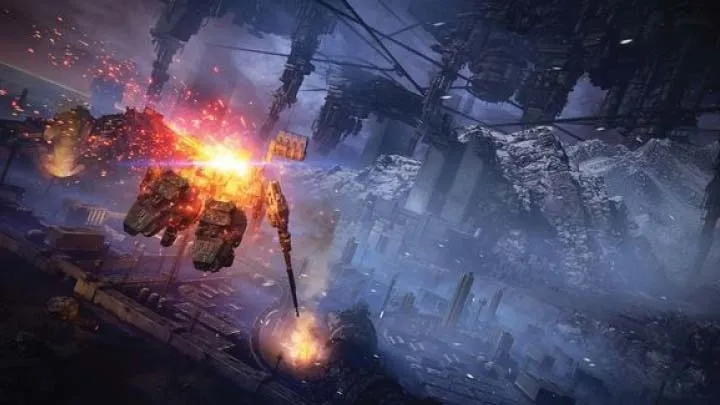
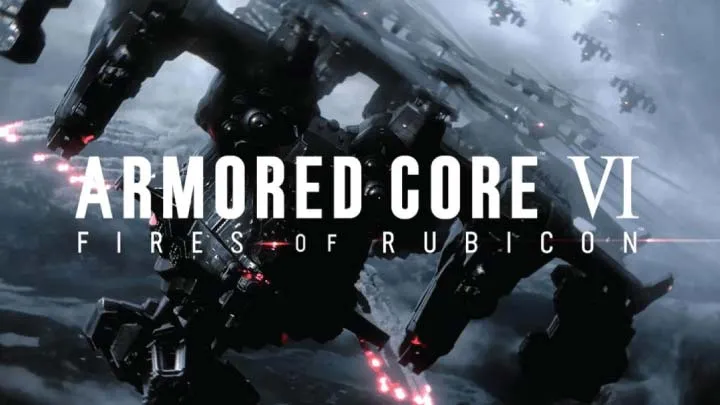
Armored Core VI: Fires of Rubicon marks a significant return for the iconic mech franchise, known for its deep customization options, strategic gameplay, and intense mech battles. Set in a dystopian world where corporations wield immense power, players navigate through an engaging narrative while piloting their custom mechs, known as “Armored Cores.” This article will delve deeply into the mechanics of customization in Armored Core VI, investigating how the depth of customization not only affects gameplay but also influences player engagement, strategy, and the overall gaming experience.
The Foundation: Understanding Customization
Overview of Customization in Armor Cores
Customization has always been a hallmark of the Armored Core series, enabling players to create machines tailored to their playstyle. In Armored Core VI, this feature is expanded and refined.
- Modular Design: Players can customize their mechs extensively, choosing components such as heads, torsos, arms, legs, and weapons. Each part has unique stats and capabilities, allowing for nearly limitless combinations.
- Aesthetic Choices: Beyond functionality, players can also alter the visual appearance of their mechs, enhancing the personal connection to their machines.
Importance of Customization in Gameplay
Customization is not merely a cosmetic feature; it directly influences gameplay tactics and strategies.
- Tactical Playstyles: Given the variety of components, players can design their mechs for specific combat roles, whether they prefer aggressive front-line assaults or strategic long-range engagements.
- Adaptability: Customization allows players to adapt to different mission types and challenges, adjusting their mechs to optimize performance against specific enemies or environments.
The Mechanics of Part Selection
Understanding Components
Each component in Armored Core VI has its unique attributes, significantly affecting how the mech performs in combat.
- Legs and Mobility: Different leg types (bipedal, quadrupedal, tank treads) affect movement speed, agility, and stability. Players must choose based on their desired mobility strategy.
- Weapons Diversity: Players can equip a wide range of weapons, including rifles, missiles, and melee arms. This variety allows for extensive tactical diversity during combat.
Balancing Weight and Power
Weight, energy consumption, and power become critical considerations during customization.
- Power-to-Weight Ratio: Heavier weapons and armor provide more protection but slow down movement. Players must balance offense, defense, and agility in their designs.
- Energy Management: Different weapons consume different amounts of energy. Understanding this consumption is vital for sustaining prolonged engagements without running out of energy mid-battle.
Strategic Customization: Crafting Playstyles
Identifying Playstyles
Customizing an Armored Core is deeply tied to how players prefer to engage in combat.
- Aggressive Build: Players favoring direct confrontation might focus on heavy armor and powerful close-range weapons, like melee arms or shotguns.
- Defensive Maneuver: On the other hand, a more cautious player may design their mech for evasion and protection, selecting advanced mobility options and long-range sniping capabilities.
Synergy Between Components
Choosing components that synergize well can greatly enhance combat efficiency.
- Complementary Builds: Players can mix and match legs and weapons to create synergistic effects; for instance, pairing high mobility legs with rapid-fire weapons can create devastating hit-and-run tactics.
- Modular Synergies: Building a mech that maximizes the strengths of certain parts (like a lightweight frame with heavy firepower) allows players to exploit their build’s strengths and conceal weaknesses.
The Role of Weaponry in Customization
Types of Weapons Available
Weapons are a core element of any mech's customization and significantly affect gameplay dynamics.
- Ranged vs. Melee: Ranged weapons like rifles and missile launchers provide strategic distance, while melee weapons can deal heavy damage up close, suitable for aggressive playstyles.
- Energy Management: Each weapon has varying energy requirements and cooldowns, forcing players to consider their energy limits when engaging in combat.
The Impact of Weapon Choice on Combat
The choice of weaponry directly influences how players approach combat scenarios.
- Adjusting Strategies: Certain enemies may be vulnerable to specific weapon types, and being able to switch out weapons on the fly can be crucial in adapting to these challenges.
- Tactical Diversity: Players can create build variations that focus on either sustained firepower or burst damage, depending on their preferred combat strategy.
Emphasizing Defensive Customization
Armor and Defensive Components
While offense is crucial, defense determines the longevity of a mech in battle.
- Types of Shields and Armor: Players can equip various types of shields and armor, influencing how resistant their mechs are to different damage types. This allows for tailored defensive strategies.
- Heat Management: Some components introduce heat as a new consideration, adding complexity to defensive customization. Managing heat levels can provide benefits but also risks overheating during combat.
Evasion Mechanisms
Incorporating evasion elements into a build significantly augments defensive strategies.
- Improving Maneuverability: Players may opt for lightweight builds that prioritize agility, allowing them to dodge incoming attacks and maneuver around the battlefield.
- Counterattacks: Defensive designs can also support counterattack strategies, enabling players to evade hits and retaliate with powerful shots.
The Environmental Influence on Customization
Adapting to Different Landscapes
The game’s diverse environments impact mech customization choices, affecting how players engage with different terrains.
- Terrains and Navigation: Urban areas may require different tactics than open fields, influencing how players configure their mechs for mobility and visibility.
- Adaptation to Enemies: Customization may shift based on the types of enemies encountered in specific environments, compelling players to redesign or adjust their mechs accordingly.
Specific Scenario Customization
Certain missions may require specialized custom builds to overcome unique challenges.
- Boss Fights: Against particularly powerful adversaries, players may need to emphasize firepower and survivability, adjusting components for optimal performance.
- Defensive Missions: Missions requiring protection of areas or allies may necessitate builds focused on area control or rapid response capabilities.
Testing Customization: The Arena and Beyond
Battleground Customization
The arena serves as a testing ground for the effectiveness of customized builds.
- Player Engagement: Having a space where players can pit their customized mechs against one another promotes experimentation with different builds and strategies.
- Learning through Combat: Players can assess how well their current configuration performs in real-time, leading to iterative design processes based on battlefield experiences.
Community Challenges
Engagement with the community can generate interest in diverse builds and promote sharing of successful strategies.
- Community Competitions: Organized tournaments can push players to optimize their designs for competitive legitimacy while learning from one another.
- Sharing Custom Builds: Forums and social media platforms become hubs for players to showcase their unique creations and strategies, enriching the community experience.
Continuous Evolution: Patches and Updates
Adjustments to Balance
Like many multiplayer-oriented games, Armored Core VI will inevitably require ongoing balance changes and updates to keep gameplay fair and engaging.
- Dynamic Changes: Player feedback may lead to adjustments in weapon capabilities, component stats, and the overall balance of offense and defense. These adjustments are crucial to maintaining a competitive environment.
- Seasonal Updates: Developers may introduce new weapons and parts, pushing players to adapt continually and incentivizing exploration of new customization options.
The Impact of Updates on Customization
Patches and updates can renew interest in customization mechanics.
- Revamping Strategies: Changes to specific components may prompt players to rethink their builds, introducing fresh strategies and techniques.
- Evolving Metagame: As the community adapts to new balance adjustments, the metagame will shift, requiring players to stay informed and continuously rethink their strategies.
The Community Aspect of Customization
Collaborative Efforts
Customization can strongly unite the player base, encouraging collaboration and discussion.
- Build Guides: Player-created guides and tutorials can help others navigate the customization system, demonstrating effective synergies and strategies.
- Feedback Sharing: Players can discuss their experiences with specific builds, sharing insights and adjustments that help others improve their own designs.
Fostering Creativity
The expansive customization options allow players to explore their creativity.
- Unique Creations: With countless combinations available, players can create unique designs that reflect personal aesthetics and playstyles, fostering a sense of individual expression.
- Art and Design: Many players take pride in showcasing their mech designs through fan art or competitions, contributing to the community's creative culture.
Conclusion
Armored Core VI: Fires of Rubicon brilliantly revitalizes the customization mechanics that have defined the series. By intertwining these mechanics with gameplay strategies, player agency, and community engagement, it provides a rich and immersive experience. The deep customization options enable players to tailor their Armored Cores to their specific playstyles, allowing for a dynamic and varied approach to combat. As the game evolves with patches and updates, the importance of customization continues to resonate, ensuring that players remain engaged and invested in their machines. In this intricate web of customization, gameplay, and community, Armored Core VI asserts itself as a modern classic, echoing the core values of the franchise while paving the way for future explorations in mech combat.