




Introduction
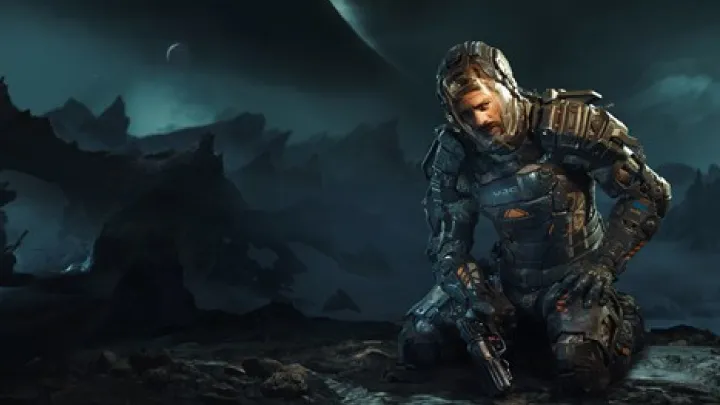
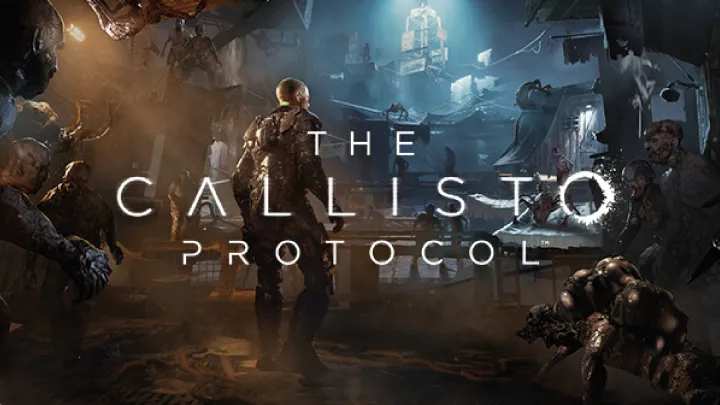
The Callisto Protocol, developed by Striking Distance Studios, aims to deliver a terrifying blend of horror and science fiction, drawing heavy inspirations from classic survival horror titles like Dead Space. Set in the dystopian world of Black Iron Prison on Jupiter's moon, Callisto, the game immerses players in an atmosphere of dread and psychological tension, where survival is a constant battle against both monstrous creatures and the protagonist's own deteriorating sanity. While the game offers visceral combat and breathtaking graphics, it is its exploration of psychological horror that truly sets it apart. In this article, we will delve deep into the nuanced elements of psychological horror within The Callisto Protocol, examining how the game effectively crafts feelings of fear, helplessness, and existential dread. We will analyze its narrative construction, environmental storytelling, character development, and the mechanics that evoke an emotional response from players.
The Premise: A Descent into Horror
Setting and Context
At its core, The Callisto Protocol invites players to explore a dark narrative grounded in themes of confinement and monstrosity. The story centers around Jacob Lee, a cargo pilot who finds himself trapped in the treacherous confines of Black Iron Prison. The facility is rife with malevolent extraterrestrial forces and horrifying mutations as a result of a bioweapons experiment gone awry. The game's oppressive atmosphere serves as a backdrop for exploring deeper issues related to fear and survival.
Thematic Foundations
Setting the stage for existential dread, the game explores themes such as confinement, identity, and humanity's hubris in manipulating nature. As players navigate Jacob's fight for survival, they become acutely aware of the fragility of life and the ethical ramifications of advanced technology. This thematic underpinning elevates the horror experience beyond mere jump scares, inviting players to confront unsettling questions about their existence.
Crafting Tension through Environmental Storytelling
The Power of Environment
One of the defining features of The Callisto Protocol is its meticulous attention to environmental design. The architecture of Black Iron Prison is not merely a backdrop; it is a character in its own right, laden with the remnants of past horrors. From dark corridors to decrepit labs, the environments contribute to a haunting atmosphere that enhances psychological tension.
Visual Flourishes and Unsettling Details
The game employs visual storytelling techniques that amplify the sensation of dread. Flickering lights, confined spaces, and unsettling audio cues create a sense of precariousness that keeps players on edge. Blood-soaked walls and ghastly remnants of previous struggles serve as constant reminders of the horrors that have transpired and the inevitability of death. These elements culminate in an immersive experience that fosters vulnerability, urging players to question what lies around every corner.
The Role of Sound Design in Psychological Horror
Immersive Auditory Cues
Sound design plays a pivotal role in establishing psychological horror in The Callisto Protocol. The aural landscape utilizes unsettling noises—echoes of distant screams, the scuttling of creatures, and the soft hum of machinery—to generate anxiety. Players are often left uncertain about what threats may lurk nearby, creating a continuous state of alertness.
The Impact of Silence
Equally significant is the strategic use of silence. Moments of quiet tension evoke a sense of unease, making players hyper-aware of their surroundings. This deliberate contrast amplifies the impact of sudden noises or creature encounters, plunging players into a visceral experience of terror. The soundscape works synergistically with visual elements, forming a cohesive atmosphere that heightens the psychological stakes.
The Psychological State of Jacob Lee
The Protagonist's Deteriorating Sanity
Jacob Lee serves as the lens through which players experience the horror of the game. As the narrative unfolds, Jacob's psychological state deteriorates under the relentless stress of his situation. His internal struggles manifest in visceral hallucinations, nightmares, and disorientation, illustrating the profound psychological impact of confinement and fear.
Character Development and Relatability
The game successfully develops Jacob as a complex character, forcing players to empathize with his plight. His past traumas, guilt, and inner demons are explored through flashbacks and narrative dots scattered throughout the game, deepening player engagement. This existential struggle resonates on a personal level, inviting players to confront their own fears and vulnerabilities.
Combat Mechanics: A Blend of Horror and Strategy
Survival within Chaos
In The Callisto Protocol, combat serves as both a survival necessity and a source of psychological tension. The game’s mechanics compel players to confront fear head-on, as enemy encounters evoke feelings of stress and panic. Combat is visceral, focusing on dismemberment mechanics and brutal take-downs, making each encounter a visceral reflection of Jacob's desperation.
Resource Management and Decisions
The scarcity of resources further heightens the psychological stakes. Players must carefully decide when to engage in combat and when to conserve ammunition, enhancing the overall tension. This element of strategy reinforces the theme of survival, as every choice carries weight and potential consequences, forcing players to weigh risks against rewards.
Fear of the Unknown: The Horror of the Unforeseen
Unpredictability in Design
The Callisto Protocol capitalizes on the fear of the unknown—a classic element of horror storytelling. Players can never be entirely sure what awaits them in the dark recesses of Black Iron Prison, with unexpected encounters lurking around almost every corner. This unpredictability keeps players on edge, amplifying feelings of paranoia and anxiety.
Building Anticipation
The developers employ pacing techniques that build anticipation for encounters, using devastating tensions to deliver horror effectively. Quiet moments lead to intense sequences that catch players off guard, understanding that fear is not simply about what is seen but also what is implied. This craftsmanship in pacing is essential in crafting the game’s psychological horror.
The Alien Threat: A Metaphor for Existential Dread
The Nature of the Creatures
The monsters in The Callisto Protocol serve as tangible manifestations of Jacob's dread. As the entities evolved from the bioweapons experiments, they symbolize humanity's hubris and the consequences of playing God. Their grotesque designs reflect a loss of humanity and identity, serving as metaphors for existential fears surrounding dehumanization and loss of self.
Conflicts within the Unknown
The creatures also embody the unpredictability of life's challenges. As Jacob faces these external threats, players mirror that struggle, prompting a deeper reflection on their fears and the chaos that life can present. The game cleverly utilizes these creatures to represent both the horror of the known and the terror of the unknown, encouraging exploration of anxiety's many forms.
Themes of Isolation and Alienation
Confinement in the Dark
Isolation is a recurring theme in The Callisto Protocol, emphasizing the sense of vulnerability that arises from being trapped in a hostile environment. Jacob's physical confinement in Black Iron Prison mirrors his psychological isolation, effectively crafting a dual narrative. Players experience the weight of this isolation, both physically and mentally.
The Emotional Weight of Solitude
As players progress through the game, Jacob's isolation becomes increasingly palpable. Interactions are scarce, amplifying a sense of alienation as he grapples with both external threats and chronic loneliness. This emotional weight serves to deepen the horror experience, inviting players to confront their relationships and the intrinsic human need for connection.
The Role of Moral Choices
Ethical Dilemmas in Survival
In the heat of survival, players are often presented with moral dilemmas that explore the costs of survival. Jacob must navigate choices that challenge his ethical boundaries, such as whether to save fellow prisoners or prioritize his own escape. These decisions weigh heavily on his psyche and highlight the psychological toll taken in desperate circumstances.
Consequences and Reflective Chaos
The implications of these choices extend beyond immediate survival; they impact Jacob’s mental state and serve as reminders of the complexities of morality in the face of horror. Players are compelled to reflect on the nature of humanity and the decisions they must make when survival takes priority. This moral ambiguity enhances the psychological depth of the game, emphasizing that in extreme conditions, the lines between right and wrong often blur.
Conclusion
The Callisto Protocol is a profound exploration of psychological horror that transcends traditional interpretations of fear. Through its masterful narrative structure, captivating visual and audio design, and its emotional depth, the game invites players to confront not only the external horrors within Black Iron Prison but also the internal struggles of the protagonist. By weaving themes of isolation, the unknown, and moral ambiguity into the fabric of gameplay, it creates an experience that resonates on a personal level, challenging players to consider their own fears, ethical dilemmas, and the human condition itself. Ultimately, The Callisto Protocol stands as a testament to the immersive potential of psychological horror in gaming, illustrating that true terror often lies not just in what we see, but in what we feel and the choices we make in the face of graphically rendered nightmares.