






Introduction
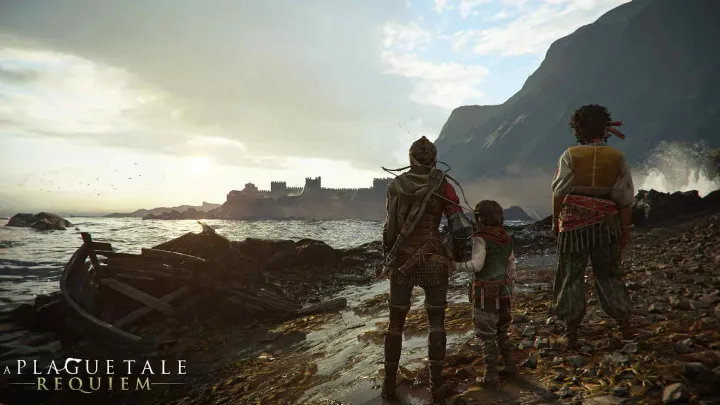
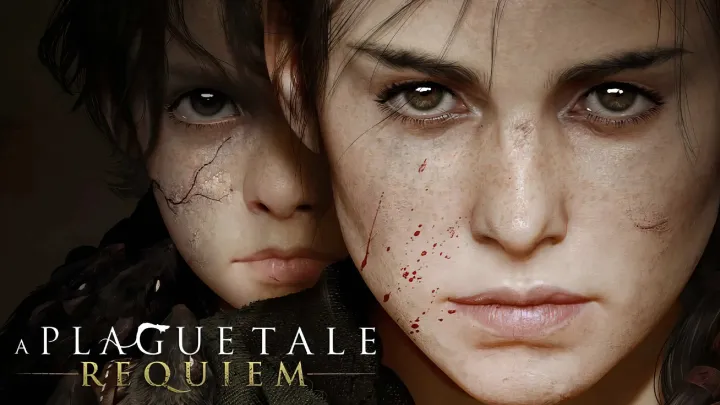
A Plague Tale: Requiem serves as a continuation of the harrowing journey of siblings Amicia and Hugo as they navigate a world ravaged by war, plague, and malevolence. The game masterfully explores themes of loss, growth, and resilience, providing players not just with a gripping narrative but also an emotional landscape that resonates deeply with the human experience. As players guide Amicia in her quest to protect Hugo, they encounter relentless challenges that force them to confront suffering, sacrifice, and the bonds of family. This article delves into the nuanced portrayal of loss and resilience within A Plague Tale: Requiem, examining how these themes are interwoven through character development, gameplay mechanics, and the broader narrative trajectory. Through this exploration, we aim to understand how the game articulates the human condition against a backdrop of adversity.
The Weight of Loss
An Inescapable Reality
From the very beginning of A Plague Tale: Requiem, loss is an indelible aspect of the protagonist's journey. The narrative wastes no time in reminding players of the emotional trauma that follows Amicia and Hugo. The game initializes with reflections on the aftermath of their experiences from the first installment, A Plague Tale: Innocence. The weight of past losses hangs heavily over the siblings as they struggle to find a sense of normalcy in a world teetering on the brink of destruction.
Setting the Emotional Tone
The game effectively utilizes visual storytelling to communicate the gravity of these losses. Dark, atmospheric settings populate the game, evoking feelings of dread and sorrow. Ruins litter the landscape, signifying not only physical destruction but also the emotional aftermath of violence and loss. The use of symbolic imagery serves to remind players that with every step Amicia and Hugo take, they are haunted by the memories of those they’ve lost and the fear of losing more.
The Sibling Bond
The Heart of the Narrative
At the core of A Plague Tale: Requiem is the unbreakable bond between Amicia and Hugo. Their relationship serves as both a source of strength and vulnerability as they navigate through adversity. Amicia assumes the role of protector, and her determination to keep Hugo safe fuels her actions. However, this relationship also exposes her to the sting of potential loss, making every encounter a poignant reminder of what is at stake.
Complex Emotions
The dynamics of their sibling relationship are further enriched by their complex emotional landscape. Amicia grapples with feelings of guilt, fear, and the desire to shield Hugo from the horrors of their reality. While she embodies strength, her vulnerability is evident, demonstrating that love comes with the pain of potential sacrifice. The emotional weight of their relationship finds resonance in players, creating a genuine attachment to their journey and the outcomes of their struggles.
Themes of Resilience
Overcoming Adversity
Resilience is a recurring theme in A Plague Tale: Requiem, showcasing how the siblings confront external threats and internal fears. Amicia’s resolve is tested repeatedly as they encounter violent enemies, treacherous landscapes, and overwhelming odds. Each challenge becomes a moment of growth, where her determination is not only a survival instinct but also a testament to her character development.
The Influence of Characters
New characters introduced throughout the game enrich the resilience theme. Some offer mentorship and support, while others represent the darker aspects of survival. The interactions with these characters challenge Amicia’s perceptions of morality and the lengths one must go to in order to protect loved ones. Through these encounters, players are invited to consider not only what it means to survive but also at what cost that survival comes.
The Role of Morality
Difficult Choices
As players navigate the world of A Plague Tale: Requiem, they are presented with moral dilemmas that add layers to the narrative. The conflict between survival and humanity becomes a significant theme, compelling Amicia to make decisions that weigh heavily on her conscience. Stepping into the shoes of Amicia, players are forced to consider whether they are willing to sacrifice their ethics for the sake of survival.
The Consequences of Choices
The repercussions of choices made throughout the game serve to reinforce the themes of resilience and loss. Unlike traditional action games, A Plague Tale: Requiem emphasizes the emotional fallout of decisions, crafting a narrative where choices lead to heartbreak and regret. Players are reminded that resilience does not absolve one from the burdens of sacrifice and moral responsibility—they must navigate these realities in a world devoid of clear boundaries.
The Impact of Trauma
Lasting Effects
Trauma plays a pivotal role in shaping the characters and their actions in A Plague Tale: Requiem. As players witness the horrors experienced by Amicia and Hugo, they are reminded that the scars of their pasts linger just beneath the surface. The effects of trauma manifest in various forms—nightmares haunt Amicia, while Hugo grapples with nightmares that blend reality and fear.
Coping Mechanisms
The game offers insights into how characters cope with their traumas. Amicia's determination to protect Hugo can be seen as both a strength and a defense mechanism, creating a complex portrayal of how individuals navigate grief. By portraying her vulnerabilities alongside her resilience, the game adeptly illustrates the duality of human experience in the face of adversity—where strength coexists with emotional fragility.
Gameplay Mechanics and Emotional Engagement
A Blend of Stealth and Action
From a gameplay perspective, A Plague Tale: Requiem marries mechanics with emotional engagement. Stealth segments compel players to navigate with caution as they avoid enemies, mirroring Amicia’s fragility amid overwhelming danger. This interplay between gameplay and narrative heightens emotional stakes, as players become invested in the siblings’ survival.
Resource Management
Resource management also becomes a crucial gameplay element that reflects the themes of resilience and loss. Amicia must gather materials to craft tools and ammunition while balancing her need for survival with the weight of loss. Each decision to conserve or expend resources ties back into the broader narrative of sacrifice and the struggles of resilience, creating a seamless connection between gameplay and story.
Exploration of Human Nature
The Dangers of Desperation
In A Plague Tale: Requiem, the human condition is explored through characters who embody different aspects of survival. As the siblings face increasingly desperate situations, players are confronted with the darker side of humanity. Characters caught in the throes of survival may resort to violence or betrayals, illustrating how desperation can lead individuals to forsake their morals for the sake of self-preservation.
Complexity of Relationships
The game emphasizes that relationships shape the choices individuals make in dire circumstances. Connections between characters reveal how alliances can form and dissolve under pressure, further complicating the notion of loyalty and sacrifice. Through this exploration, players are invited to reflect on ethics and morality in their interactions with others.
The Nature of Hope
Glimmers Amid Despair
Amidst the despair and tragedy that permeate A Plague Tale: Requiem, threads of hope emerge. The unyielding bond between Amicia and Hugo serves as a beacon of hope, reminding players that love can endure even in the darkest of times. The game highlights how hope can manifest in small moments, such as tender gestures, shared laughter, or glimpses of safety—remnants of joy amid turmoil.
The Pursuit of a Better Future
The characters’ resilience fosters an ongoing pursuit of a better future. Despite the overwhelming obstacles, Amicia's unwavering determination to protect Hugo signals her hope for peace and security. Through their journey, players experience the transformative power of hope—how it can drive individuals to action and inspire them to persist, even when the odds are stacked against them.
Conclusion
A Plague Tale: Requiem is a poignant exploration of loss and resilience, depicting the enduring bond between siblings amid a harrowing backdrop of war and plague. Through meticulous character development, emotional storytelling, and gameplay mechanics deeply intertwined with its narrative, the game offers an immersive experience that resonates with players on multiple levels. The themes of loss, trauma, and hope challenge players to confront their own struggles and reflect on the complexities of the human experience. By presenting a world steeped in despair while simultaneously illuminating the power of love and resilience, A Plague Tale: Requiem stands as a testament to the emotional capacity of video games and their ability to explore profound issues. In a world fraught with darkness, the siblings’ journey invites players to embrace their humanity, reminding us that even in the face of tragedy, we can find strength and hope.