.webp)



Introduction
The term “top game” is often used casually, but truly understanding what elevates a game above thousands of competitors requires looking beyond graphics, story, or popularity. A top game is a complete experience—one that captivates players not just through presentation, but through its systems, pacing, emotions, and long-term engagement. It is a work of design philosophy shaped by intentional choices, technical precision, and an understanding of human psychology.
This article breaks down what makes a top game by examining ten essential elements in a chronological flow, from first-time impressions to long-term mastery. The goal is to explore not just what top games include, but why these traits matter and how they shape player satisfaction.
- The power of a compelling first impression
- Top games excel in their opening moments. Whether it’s the first cinematic view, the initial piece of music, or the opening lines of dialogue, these early experiences define a player’s expectations. The strongest openings balance mystery with clarity, giving players a sense of direction without overexplaining.
- Beyond aesthetics, the best first impressions introduce key mechanics quickly and naturally. A top game teaches players through interaction instead of overwhelming tutorials. The result is an immediate sense of confidence—players feel smart, capable, and excited to continue.
 First impressions also establish tone. Whether a game aims for thrill, comfort, tension, or exploration, the first few minutes create emotional momentum that shapes the entire experience.
- Intuitive controls and natural learning
- Controls are the invisible foundation of a top game. They determine how players physically connect with the world. The best games ensure that movement, aiming, crafting, or puzzle interaction feels natural, predictable, and readable from the beginning.
- Top games avoid forcing players through long text tutorials. Instead, they place players in safe, simple situations where learning happens automatically. A jump teaches platforming potential; a simple enemy teaches attack patterns; an accessible tool teaches crafting rules.
When controls feel intuitive, skill-building becomes enjoyable. Players do not feel frustrated—they feel empowered. This is one of the clearest early indicators of top-tier design.
- A world that invites exploration
- A top game creates an environment that encourages curiosity. Whether the world is small and intimate or massive and open, it must feel alive, coherent, and meaningful. Hidden paths, subtle sound cues, environmental storytelling, and varied biomes draw the player deeper into the game.
- Exploration is not just about size. It is about density, intention, and reward. Every corner should feel like it exists for a reason, even if that reason is storytelling rather than loot. The strongest games balance open discovery with clear progression, allowing players to choose their pace.
Top games often offer:
• Distinct zones that teach different skills
• Natural shortcuts that reward observation
• Environmental threats that require planning
• Secrets that deepen immersion
This transforms exploration from passive wandering into an active, rewarding journey.
- A progression system that feels fair and motivating
- Progression is the spine of long-term engagement. A top game ensures that players grow in power or knowledge at a satisfying pace, never feeling stagnant or overwhelmed. This balance between challenge and reward is what keeps players invested.
- Great progression systems coordinate multiple elements: gear, abilities, narrative milestones, and access to new areas. Each upgrade should feel valuable—not just bigger numbers, but clear improvements in strategy or capability.
Players should always feel that difficulty increases in proportion to their skill. If progression is too fast, the game becomes trivial; too slow, and it becomes punishing. A top game maintains this delicate pacing to create smooth, addictive growth.
- Enemies and obstacles that require mastery
- A top game introduces threats that are not merely obstacles but learning opportunities. Every enemy type teaches something. Some enemies test timing, others test positioning, while others test resource management or decision-making under pressure.
- The strongest enemy systems use patterns that are readable but challenging. Players should understand why they failed and feel motivated to improve rather than frustrated. Intense battles, puzzle enemies, or environmental hazards all contribute to a sense of accomplishment.
Over time, players develop mastery. They learn to predict behaviors, manage stamina or resources, and recognize how to counter each type of threat. This steady growth is key to a top-tier experience.
- Creative tools and meaningful customization
- Top games offer tools that encourage creativity. Whether these tools involve weapons, crafting, building, spells, movement abilities, or combat techniques, they allow players to approach problems in multiple ways.
- Customization systems deepen personal identity. Armor sets, skill trees, perk combinations, and crafting paths let each player build a strategy that matches their preferred style. A top game does not force every player into the same mold—it celebrates difference.
The best customization systems maintain:
• Clear advantages and disadvantages
• Trade-offs that shape strategy
• Distinct playstyles, not minor stat shifts
• Room for experimentation
This balance ensures that customization feels meaningful rather than cosmetic.
- A world that reacts to player choices
- Reactive worlds transform good games into great ones. When environments, creatures, or storylines change based on player actions, the game becomes more personal. Even small reactions, such as altered patrol routes, dynamic ecosystems, or adaptive dialogue, deepen immersion.
- A top game avoids static worlds. It evolves. Markets change, factions rise or fall, weather alters routes, and enemies respond to player patterns. These dynamic shifts make each playthrough feel fresh and encourage long-term engagement.
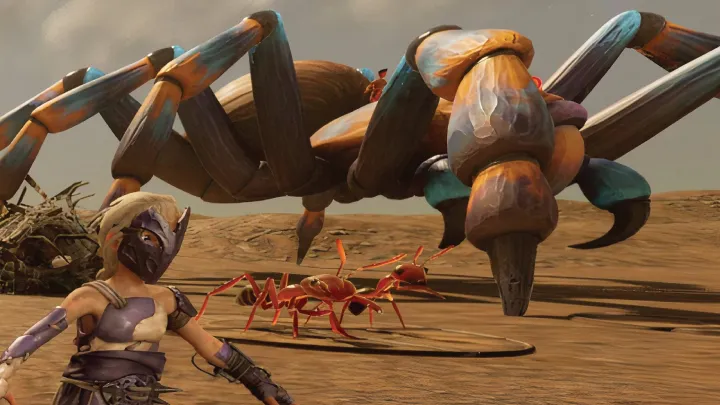 Players should feel that they matter in the world, and top games amplify this through world-state changes, unlockable features, and dynamic difficulty adjustments.
- Emotional connection through story, music, or atmosphere
- Even gameplay-focused titles rely on emotion. Top games create emotional bonds through worldbuilding, character arcs, music, sound design, or atmosphere.
- Music often guides emotional flow—quiet during exploration, tense during danger, uplifting during victory. The best soundtracks do not overpower the experience; they shape it subtly.
- Storytelling must feel natural, not forced. It should unfold through environment, behavior, and pacing rather than long cutscenes. When players care about the world, stakes feel higher and victories feel sweeter.
Atmosphere—lighting, weather, sound, colors—is equally essential. Together, these elements build emotional depth.
- A satisfying endgame that rewards long-term commitment
- A top game does not end after the credits. Instead, it offers new challenges, higher difficulty levels, hidden bosses, advanced tools, community events, or replay loops.
- Endgame systems reward players for deep understanding. They push combat mastery, resource planning, and strategic thinking to new heights. They also maintain long-term engagement by offering:
• Rare loot
• Advanced crafting
• Hidden endings
• Seasonal or rotating content
• High-difficulty arenas or raids
Endgame design is a major dividing line between good and top-tier games. Top games understand that dedicated players want depth beyond the main storyline.
- Long-term replay value and timeless appeal
- The final element of a top game is longevity. Some games remain popular for months; top games remain popular for years. They achieve this through replayability, adaptability, and enduring emotional resonance.
- Replay value can come from multiple factors—multiple endings, procedural systems, build variety, competitive modes, co-op content, or open-ended exploration. The key is giving players reasons to return.
- Timeless appeal comes from design elegance. A top game is easy to learn, hard to master, and endlessly rewarding. Even after dozens of hours, players discover new techniques, secrets, or strategies. This staying power defines true excellence.
Conclusion
A top game is not defined by one element but by a complete synergy of systems, pacing, emotion, challenge, and design intent. From first impressions to endgame mastery, every detail contributes to a cohesive experience that draws players back repeatedly. Whether the game focuses on survival, action, storytelling, or exploration, the principles behind top-tier design remain the same: meaningful progression, intuitive control, dynamic worlds, emotional depth, and long-term replayability. These elements work together to transform a simple digital experience into a lasting memory that players carry with them long after the game ends.