Top 10 Games That Changed the Way We See Storytelling
Introduction
Storytelling has always been the beating heart of human culture, shaping the way we perceive the world and our place in it. In gaming, storytelling has evolved dramatically—from simple text scrolls and basic cutscenes to deeply immersive, player-driven narratives. Some games have pushed the boundaries of how stories can be told, turning gameplay itself into a powerful storytelling device.
This article explores 10 landmark games that transformed the way we see storytelling in video games. Each game is analyzed through its narrative approach, gameplay integration, and overall impact on the industry.
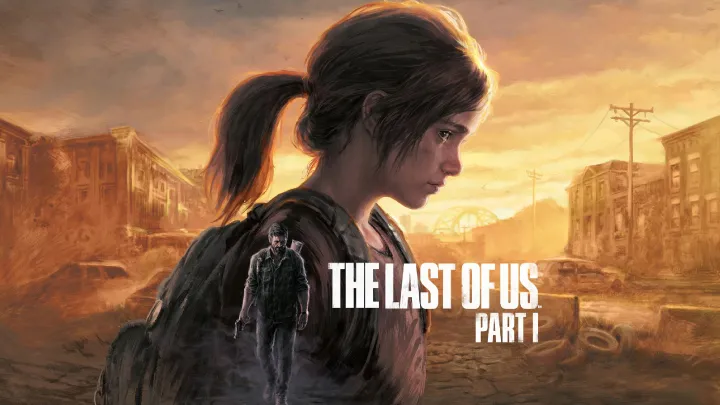
1. The Last of Us (2013)
A Masterclass in Emotional Storytelling
Naughty Dog’s The Last of Us redefined how games could tell deeply emotional stories. Its post-apocalyptic world, ravaged by a fungal outbreak, was not just a backdrop for action—it was a stage for human drama. The bond between Joel and Ellie became one of gaming’s most memorable relationships.
Gameplay and Narrative Integration
Gameplay was tightly woven with the narrative. Survival mechanics—scavenging, crafting, stealth—enhanced the feeling of vulnerability. Every encounter carried weight, and dialogue often unfolded during exploration, blending storytelling seamlessly with action.
Impact and Legacy
The Last of Us showed that video games could rival cinema in emotional depth. It influenced countless narrative-driven titles and cemented the idea that story could be as important as gameplay.
2. BioShock (2007)
Rapture: A City of Ideals and Nightmares
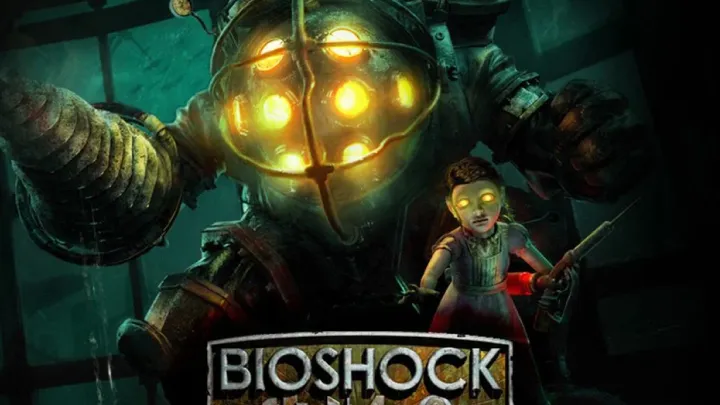
Set in the underwater dystopia of Rapture, BioShock combined philosophical themes with a hauntingly immersive environment. Its story explored objectivism, morality, and the cost of human ambition.
Narrative Through Gameplay
The twist involving the phrase “Would you kindly?” revealed how game mechanics themselves could become storytelling tools. Players weren’t just spectators—they were participants in a narrative critique of free will.
Industry Significance
BioShock proved that player agency and narrative twists could coexist, paving the way for deeper storytelling in first-person shooters.
3. Red Dead Redemption 2 (2018)
The Tragedy of Arthur Morgan
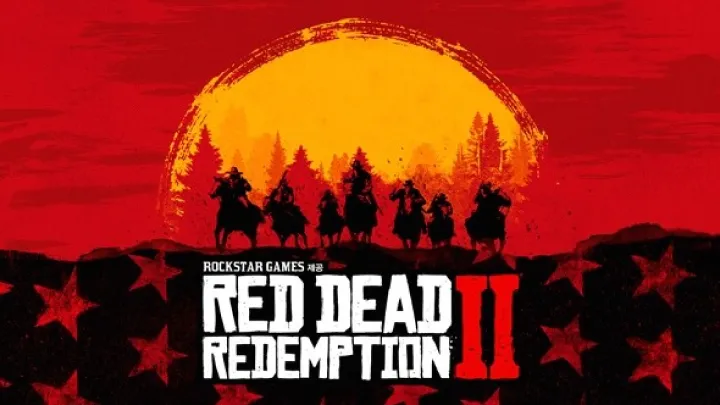
Rockstar’s Red Dead Redemption 2 isn’t just an open-world western—it’s a deeply personal story about loyalty, redemption, and the decline of the outlaw era. Arthur Morgan’s character arc remains one of the most profound in gaming.
Immersive Storytelling Mechanics
The game’s dynamic honor system, random encounters, and detailed world events meant the story unfolded organically. Even simple choices—helping a stranger or committing a crime—shaped how Arthur’s journey felt.
Why It Stands Out
RDR2 blurred the line between scripted narrative and emergent storytelling, showing how open-world games could deliver cinematic stories without sacrificing freedom.
4. Heavy Rain (2010)
Interactive Drama at Its Finest
Quantic Dream’s Heavy Rain introduced players to a branching narrative experience more akin to an interactive film. Its story revolved around a father’s desperate search for his kidnapped son and the mysterious Origami Killer.
Player Choice and Consequences
Every choice mattered—characters could die, and the story would adapt. This design gave players unprecedented ownership of the narrative.
Legacy in Storytelling
Though divisive in execution, Heavy Rain was pivotal in showing mainstream audiences that games could offer cinematic, choice-driven storytelling.
5. The Witcher 3: Wild Hunt (2015)
Expanding Narrative Scope
CD Projekt Red’s The Witcher 3 redefined RPG storytelling with its morally complex quests and deep world-building. Geralt’s journey wasn’t just about saving Ciri—it was about navigating a morally gray world.
Dynamic Quests as Storytelling
Side quests weren’t filler—they were miniature stories filled with emotional depth. Whether it was helping a cursed family or confronting a tragic past, every quest felt meaningful.
Cultural Impact
The Witcher 3 set a new standard for narrative-driven RPGs, inspiring developers to treat side content with the same care as main storylines.
6. Metal Gear Solid (1998)
A New Cinematic Standard
Hideo Kojima’s Metal Gear Solid brought Hollywood-level cinematic storytelling to gaming. Through elaborate cutscenes and complex political themes, it proved games could deliver narratives rivaling blockbuster films.
Storytelling Through Mechanics
Stealth gameplay wasn’t just a system—it was part of the story. Codec calls, boss encounters, and fourth-wall-breaking moments (like Psycho Mantis reading your memory card) made players feel directly involved.
Enduring Influence
Metal Gear Solid showed that games could be narrative art forms, paving the way for cinematic design in AAA titles.
7. Journey (2012)
Storytelling Without Words
Thatgamecompany’s Journey proved that stories don’t need dialogue. Players controlled a robed traveler crossing vast deserts, climbing mountains, and uncovering ancient ruins.
Emotions Through Gameplay
The game conveyed emotions through visuals, music, and gameplay interactions—particularly the anonymous multiplayer system, where players could accompany each other silently.
Legacy
Journey demonstrated that minimalism could be powerful, redefining narrative expression through atmosphere and emotion.
8. Undertale (2015)
Subverting RPG Conventions
Toby Fox’s Undertale challenged traditional RPG storytelling. Instead of killing enemies, players could spare them, forming relationships and altering the story’s direction.
Player Agency as Story
Every choice carried narrative weight—who you spared or killed changed not just the ending but how characters treated you throughout the game.
Why It’s Revolutionary
Undertale showed how player morality could become the story, sparking discussions about choice, empathy, and the role of violence in games.
9. Mass Effect Series (2007–2012)
A Space Opera of Player Choice
BioWare’s Mass Effect trilogy offered a branching, galaxy-spanning narrative. Commander Shepard’s story wasn’t just pre-written—it evolved based on player decisions across multiple games.
Gameplay and Story Fusion
Choices—whether small conversations or galaxy-altering decisions—shaped alliances, character relationships, and even the fates of entire civilizations.
Enduring Legacy
Mass Effect proved that player-driven storytelling could span multiple titles, giving games a narrative scope rarely seen in other media.
10. Shadow of the Colossus (2005)
Story Through Silence
Team Ico’s Shadow of the Colossus told a sparse but powerful story of sacrifice and obsession. Its minimal dialogue forced players to interpret the narrative through atmosphere and gameplay.
Gameplay as Storytelling
Every colossal battle wasn’t just a challenge—it was part of the narrative. Players felt the weight of each victory, questioning the morality of their quest.
Influence on Storytelling
Shadow of the Colossus remains a prime example of narrative through gameplay alone, inspiring countless developers to experiment with environmental and symbolic storytelling.
Conclusion
Video games are no longer passive entertainment—they are interactive art forms capable of telling stories in ways no other medium can. From the emotional depth of The Last of Us to the silent poetry of Journey, these ten games changed how we understand storytelling in gaming.
They taught us that stories can be cinematic, emergent, or even wordless—and that player agency is often the most powerful storytelling tool of all. As gaming continues to evolve, storytelling will remain at the forefront, shaping experiences that are as impactful as the greatest works of literature or film.