An In-Depth Analysis of Cheating in Counter-Strike 2
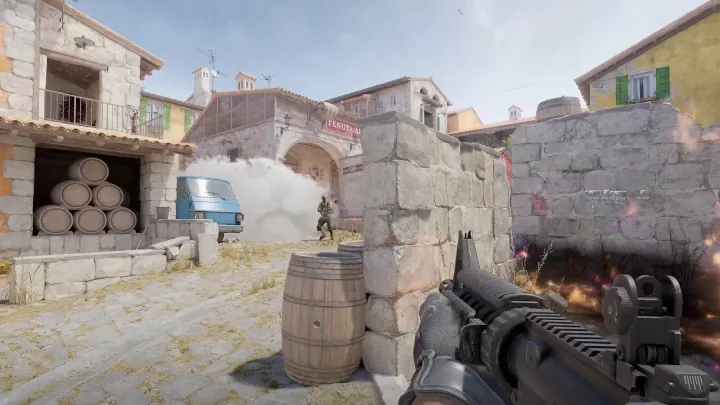
Counter-Strike 2, the latest iteration in the iconic franchise, has redefined competitive first-person shooting with advanced mechanics and stunning visuals. However, alongside its innovations, the game faces a significant challenge: rampant cheating. This issue not only compromises the competitive integrity of matches but also affects player satisfaction across the board. This article explores the various dimensions of cheating in Counter-Strike 2, including its implications, the developer's response, the community's reaction, and potential solutions for a more secure gaming environment.
Understanding Cheating in Competitive Gaming
Definition and Forms of Cheating
Cheating in competitive gaming refers to the use of unauthorized methods to gain an advantage over opponents. In Counter-Strike 2, this can manifest in various ways, including:
- Aimbots: Software designed to automatically aim weapons at opponents.
- Wallhacks: Programs that allow players to see through walls, giving them an unfair advantage in positioning and strategy.
- Trigger Bots: Automated systems that fire weapons when an enemy is detected in the crosshairs.
These cheats undermine fair play and distort the competitive landscape, making it imperative to address the issue head-on.
Historical Context of Cheating in Counter-Strike
Cheating has long been a concern in the Counter-Strike franchise. While every iteration has faced challenges related to cheating, the introduction of Counter-Strike 2 has brought renewed focus to the issue. Players who cheat not only ruin the experience for others, but they also tarnish the dignity of competitive play—an environment that thrives on skill, strategy, and teamwork.
The Impact of Cheating on Gameplay
Erosion of Trust Among Players
Cheating creates an environment of distrust among the player base. Skilled players often question their abilities and feel that their hard work is undermined by those who take shortcuts. This erosion of trust can lead to frustration, disenchantment, and even the eventual loss of players who can’t find enjoyment in a gameplay environment riddled with cheaters.
Psychological Effects on Victims
For many players, the experience of being outplayed by a cheater can result in significant psychological stress. Gamers invest time and energy into improving their skills, and encountering cheaters can lead to feelings of helplessness. This psychological burden can result in reduced enjoyment of the game, anger, and a decline in mental health overall.
The Developer's Response to Cheating
Anti-Cheat Measures in Counter-Strike 2
Valve, the developer of Counter-Strike 2, has taken a multi-faceted approach to combat cheating. The game employs advanced anti-cheat technologies that aim to detect and ban cheaters in real time. These technologies include:
- VAC (Valve Anti-Cheat): A system designed to automatically detect cheats and ban players from secure servers.
- Machine Learning Algorithms: Utilizing data analytics to identify suspicious behavior patterns indicative of cheating.
However, the effectiveness of these measures is often called into question due to the ongoing prevalence of cheaters.
Community Reporting Systems
To further bolster its anti-cheat efforts, Counter-Strike 2 has implemented a community-based reporting system. Players can report suspicious behavior, which is then reviewed by the development team. This engagement allows the community to play a crucial role in combating cheating, but it also places the onus on players to take action against cheaters.
Challenges in Enforcing Anti-Cheat Measures
The Cat-and-Mouse Game
Cheaters are often one step ahead of detection technologies, continuing to evolve and adapt their methods to evade capture. This cat-and-mouse game presents a significant challenge for developers. Cheating software developers continuously work to find loopholes within existing anti-cheat measures, leading to extended periods during which new cheats can proliferate.
Limitations of Automated Detection
While automated detection has transformed the landscape of cheating enforcement, it remains imperfect. False positives can occur, where innocent players are inaccurately flagged as cheaters, leading to unnecessary bans and dissatisfaction. Additionally, automated systems may fail to recognize sophisticated cheating methods that are less detectable.
Community Reactions and Initiatives
Outcry from the Competitive Scene
The competitive community has been increasingly vocal about the need for more effective anti-cheat measures. Players, analysts, and streamers alike advocate for an environment where skill reigns supreme. Response campaigns on social media platforms have highlighted individual experiences with cheating, drawing attention to the burden it imposes on the community.
Community-Led Anti-Cheat Initiatives
In response to the ongoing struggle against cheating, community initiatives have emerged. Groups dedicated to creating awareness, sharing knowledge about cheating methods, and pooling resources for community-led investigations have arisen. These initiatives aim to empower players and develop cooperative mechanisms for identifying and combating cheaters.
Long-Term Solutions for Cheating
Enhanced Transparency from Developers
One long-term solution involves enhancing transparency from developers. By openly communicating the efficacy of current anti-cheat measures, potential updates, and timelines for improvements, Valve can rebuild trust within the community. Clear communication can dispel uncertainty and help players feel more invested in the anti-cheat issue.
Implementation of Peer Review Systems
Exploring peer review systems within competitive play can create accountability among players. Initiatives where players review match footage or gameplay recordings to identify cheaters could serve as a secondary layer of oversight. This approach not only involves community engagement but also fosters teamwork and cooperation.
The Role of Education in Combating Cheating
Educating Players on Recognizing Cheaters
Educating players on recognizing common cheating behaviors can empower the community to act. Tutorials, guides, and community discussions can help players learn how to identify signs of cheating. By equipping players with knowledge, they become more vigilant and proactive in reporting suspicious activities.
Promoting a Positive Play Culture
Fostering a culture of sportsmanship can also serve as a preventive measure against cheating. Emphasizing the importance of fair play within the community can generate conversations around integrity, cooperation, and the true essence of competitive gaming. Encouraging positive in-game interactions and highlighting role models who demonstrate exemplary behavior can help cultivate an environment less conducive to cheating.
Conclusion
Cheating in Counter-Strike 2 poses a multifaceted challenge that affects the integrity of gameplay, player enjoyment, and the greater gaming community. While Valve has implemented various measures to combat this issue, ongoing engagement with players, transparent communication, and proactive solutions are essential. By fostering education, community involvement, and a culture of integrity, the gaming environment can be transformed into one where skill and strategy reign supreme. The fight against cheating requires continuous effort and collaboration, but by addressing the issue head-on, the future of Counter-Strike 2 can be bright and resilient.