.webp)






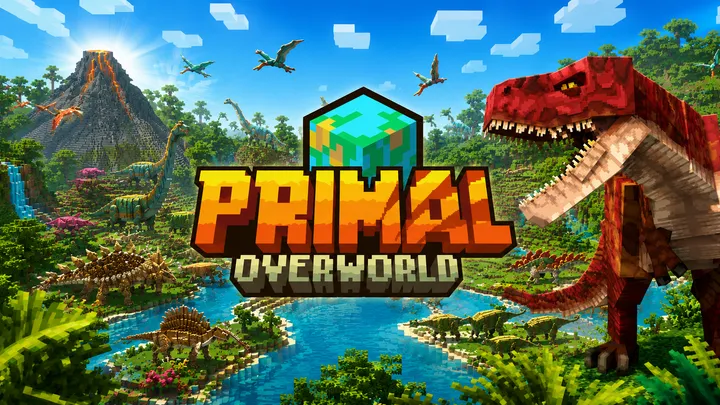

Foundation is a medieval city-building simulation game built around organic growth, resource logistics, and villager-driven decision-making. Unlike grid-based city builders, Foundation relies on free-form placement and dynamic economic balancing. This guide walks you through the entire progression path—from the first hour of settlement to the late-game metropolis—using a structured, time-based framework with 10 main numbered sections and supporting sub-points.
- Early Game Setup and Strategic Planning
- Building a strong starting layout sets the pace for the entire game. The early phase requires focusing on essential resources, villager labor, and smart positioning of production buildings. A slow, thoughtful start prevents shortages and keeps your population stable.
- Many players rush expansion or complex buildings too early, but Foundation rewards patient planning. Prioritizing wood, berries, and stone ensures sustainability and prepares you for mid-game growth.
1.1 Choosing the Right Starting Territory
Select a starting zone with access to berries, forests, and stone deposits. Proximity reduces travel time and stabilizes early production.
1.2 Recommended Early Resources
- Berries
- Wood
- Stone
- Establishing a Sustainable Food Supply
- Food is the heartbeat of village expansion. Without a consistent supply, villagers stop joining and productivity drops. Berry gathering is the primary food source at the start, but diversification into farming and fishing stops seasonal shortages.
- A multi-source food setup improves villager satisfaction and enables smoother long-term growth. It also feeds into early trade opportunities when you produce surplus goods.
2.1 Berry, Farm, and Fish Synergy
Diversifying food sources prevents overreliance on seasonal harvests and ensures year-round stability.
2.2 Food Supply Checklist
- At least two gathering huts
- One early wheat farm
- One fisherman’s hut near water
- Managing Villager Jobs and Workflows
- Villagers self-assign tasks, but structured job assignment dramatically improves efficiency. Oversupplying workers to one chain can starve another, causing resource bottlenecks.
- The key is maintaining a balanced, demand-driven workforce. Track shortages and adjust labor roles proactively to keep production flowing smoothly.
3.1 Prioritizing Essential Early Jobs
Builders, gatherers, and woodcutters take priority early on. Delay advanced roles until basic production stabilizes.
3.2 Job Allocation Tips
- Limit early workforce to essential functions
- Remove workers from overstocked chains
- Constructing Efficient Residential Zones
- Foundation’s free-form housing mechanics allow villagers to choose where to settle, but zoning heavily influences results. Residential desirability is critical for attracting new villagers while keeping them productive.
- High desirability areas come from decorations, services, and clean environments. Poor placement leads to long commutes and slower workflows.
4.1 Balancing Desirability and Distance
Place housing near workplaces but far enough from industrial noise to maintain happiness.
4.2 Housing Optimization List
- Avoid steep or uneven terrain
- Keep industrial buildings away from residential zones
- Developing Industrial and Resource Production Chains
- Mid-game introduces complexity as you begin producing tools, clothes, polished stone, and planks. Efficient supply chains require proper sequencing to prevent shortages.
- Planning layout is crucial: place related workplaces near each other and ensure storage facilities are accessible.
5.1 Core Production Chains
Wood, stone, and tools form the backbone of your mid-game progression.
5.2 Industrial Tips
- Build multiple, strategically placed storage depots
- Create industrial clusters separate from housing
- Expanding Territory and Long-Term Growth
- Expansion is expensive, so each territory purchase should support a clear development goal. New zones provide access to better land, mining resources, or improved positioning for major structures.
- Expanding too quickly drains income, while expanding too slowly restricts production scalability.
6.1 Prioritizing High-Value Regions
Favor areas with iron deposits, fertile farmland, or flat terrain suited for monument construction.
6.2 Expansion Strategy
- Expand in phases
- Align territorial purchases with long-term construction plans
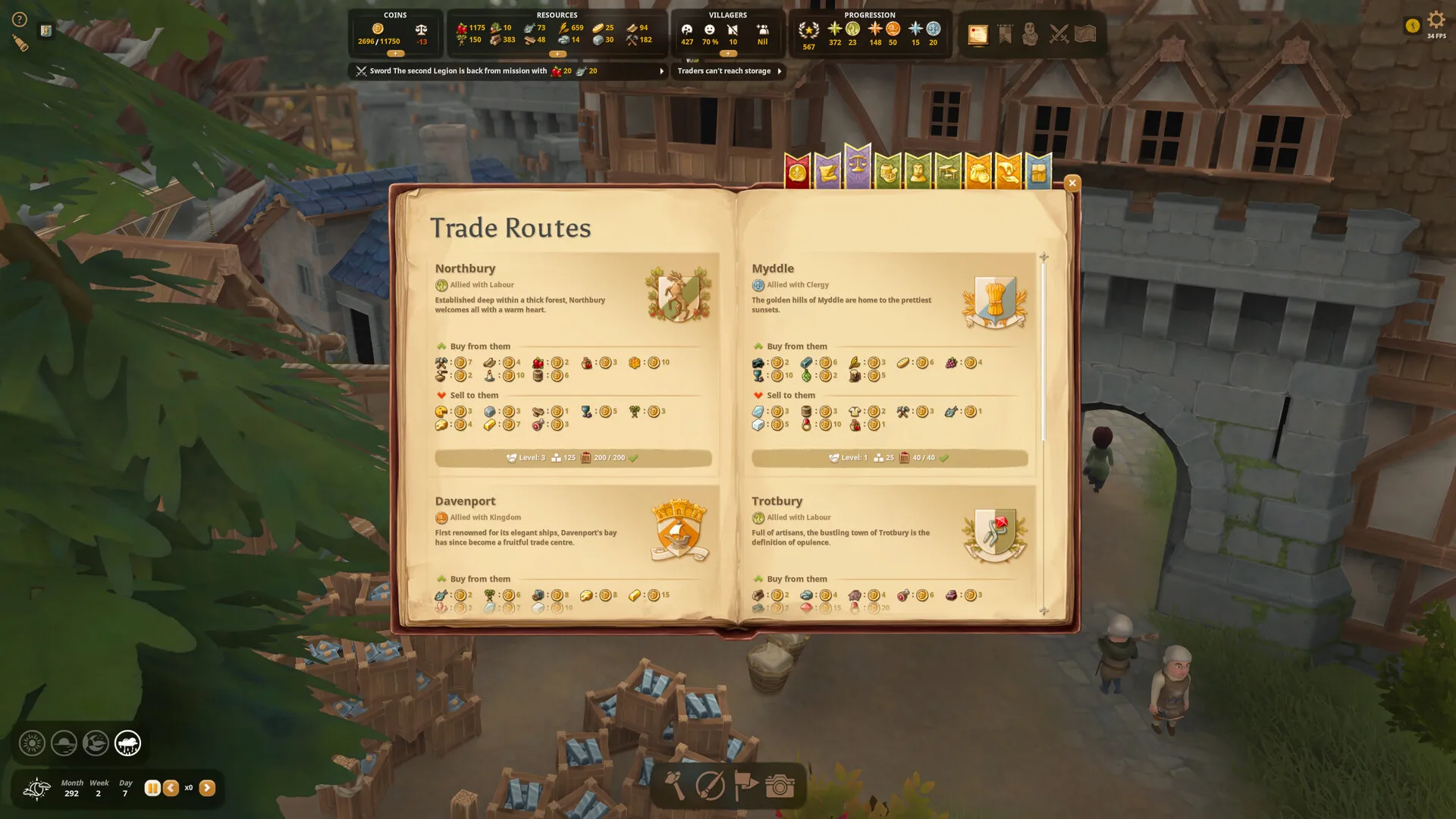
- Trade Management and Economic Stabilization
- Trade routes open strategic opportunities for acquiring rare resources and revenue. Understanding supply-demand cycles helps build a stable economic base.
- Exported goods should always come from surplus production. Maintaining healthy stock levels prevents shortages during peak demand.
7.1 Setting Up Trade Routes
Unlock trade early to purchase tools and sell extra goods. Regularly monitor stock levels to avoid unintentional resource depletion.
7.2 Trade Best Practices
- Maintain minimum stock thresholds
- Export only surplus production
- Managing Villager Happiness and Key Services
- Villager happiness directly affects productivity and immigration. Meeting their needs keeps workflow smooth and reduces attrition.
- The primary needs include food variety, housing quality, religion, and security. Satisfying these raises overall stability.
8.1 Core Villager Needs
Villagers require reliable food, shelter, religious services, and access to markets.
8.2 Service Building Checklist
- Church
- Market
- Tavern
- Constructing Monuments and Prestige Structures
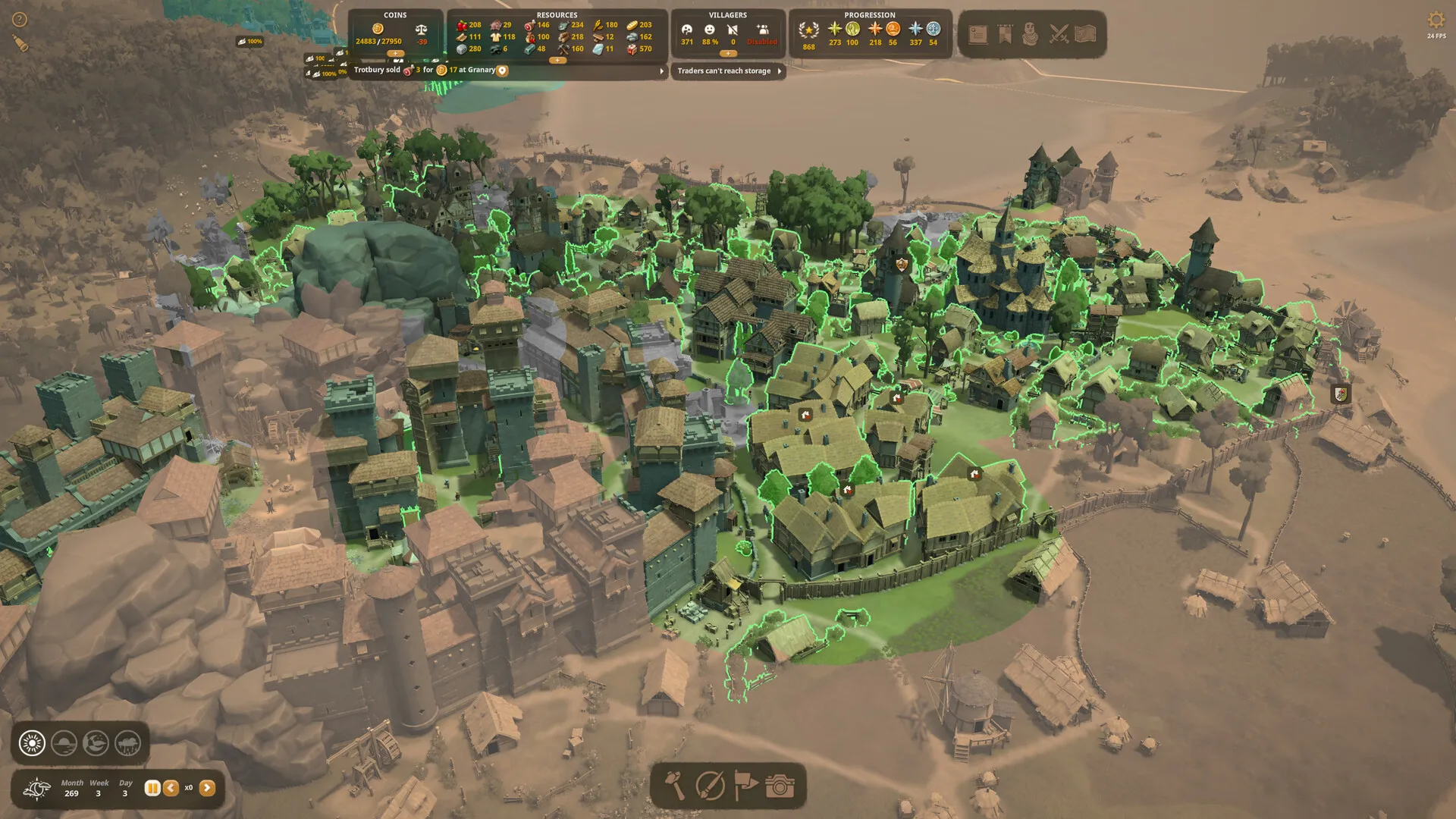
- Monuments such as churches and keeps enhance prestige and unlock advanced progression paths. Their modular design allows significant freedom in architectural creativity.
- Effective placement of monuments boosts desirability in nearby residential and commercial zones.
9.1 Modular Building Strategy
Start small to conserve resources, then expand your monuments as your economy grows.
9.2 Monument Tips
- Build in phases
- Place near future high-value zones
- Late-Game Optimization and Stability Management
- When your settlement reaches hundreds of villagers, micro-inefficiencies become major bottlenecks. The late-game focuses on service distribution, logistics optimization, luxury production, and balanced zoning.
- Properly scaling transportation, market access, and workplace clusters ensures long-term stability.
10.1 Managing Large Populations
Spread markets evenly and ensure villagers have short travel distances.
10.2 Late-Game Stability Checklist
- Optimize workplace clusters
- Increase luxury goods supply
- Expand storage and transportation networks
Conclusion
Mastering Foundation requires a strategic blend of resource management, villager happiness, housing optimization, and long-term planning. By following the ten structured phases in this guide, you will navigate every stage of growth—from primitive settlement to flourishing kingdom. Effective zoning, efficient production chains, balanced expansion, and thoughtful monument construction will allow your city to develop organically and sustainably. Foundation rewards careful planning and adaptive management, making every village a unique expression of your strategic vision.